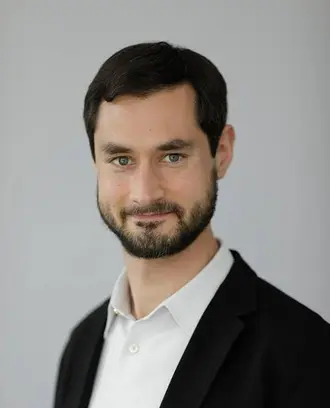
The CPC's post-doc Juan Senga, is all about energy research, especially research that leads to policy that makes energy more renewable and affordable.
As a post-doctoral associate at the MIT Climate Policy Center (CPC), Juan specializes in applying mathematics and operations research to evaluate power systems. What inspired him to pursue this field were lesson he learned while working in humanitarian operations research—and a concept called "black swan events,” catastrophic events that supposedly happen once in a hundred years.
“What I'd been witnessing, especially in the Philippines where I’m from, was these events happening more frequently due to climate change,” Juan says. “At some point, I realized you can only do so much optimization of relief when the disasters keep compounding. The better use of my skills was to work on the root cause, and I think energy is one of the most critical areas that determines whether we solve climate change or not. It touches people's lives in basically every aspect and makes it, in my opinion, the biggest challenge of our time.”
At CPC, alongside Christopher Knittel, Juan hopes to do research that moves from a model output or dataset into a policy conversation. “CPC's focus on bridging rigorous analysis and real decision-making is exactly the place I want to be in. I'd love to contribute to how we think about the energy transition, not just whether a policy is economically efficient, but what its impacts are on the environment, who it helps, and who it might leave behind.”
When asked what excites him about energy policy these days, Juan says, “The transmission conversation!”
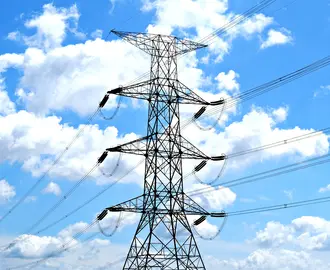
Transmission has long been an unglamorous topic, but recently, it's at the center of debates around the energy transition and economic progress. “If you think about permitting reform, interregional planning, GETs deployment, the interconnection queue, there's a lot to look into,” Juan says.
“The fact that the bottlenecks are institutions and politics more than technology makes it even more of an exciting space because you really have to think about how to translate your research into something that resonates with decision-makers. That's exactly the kind of challenge I want to work on.”