
IWER
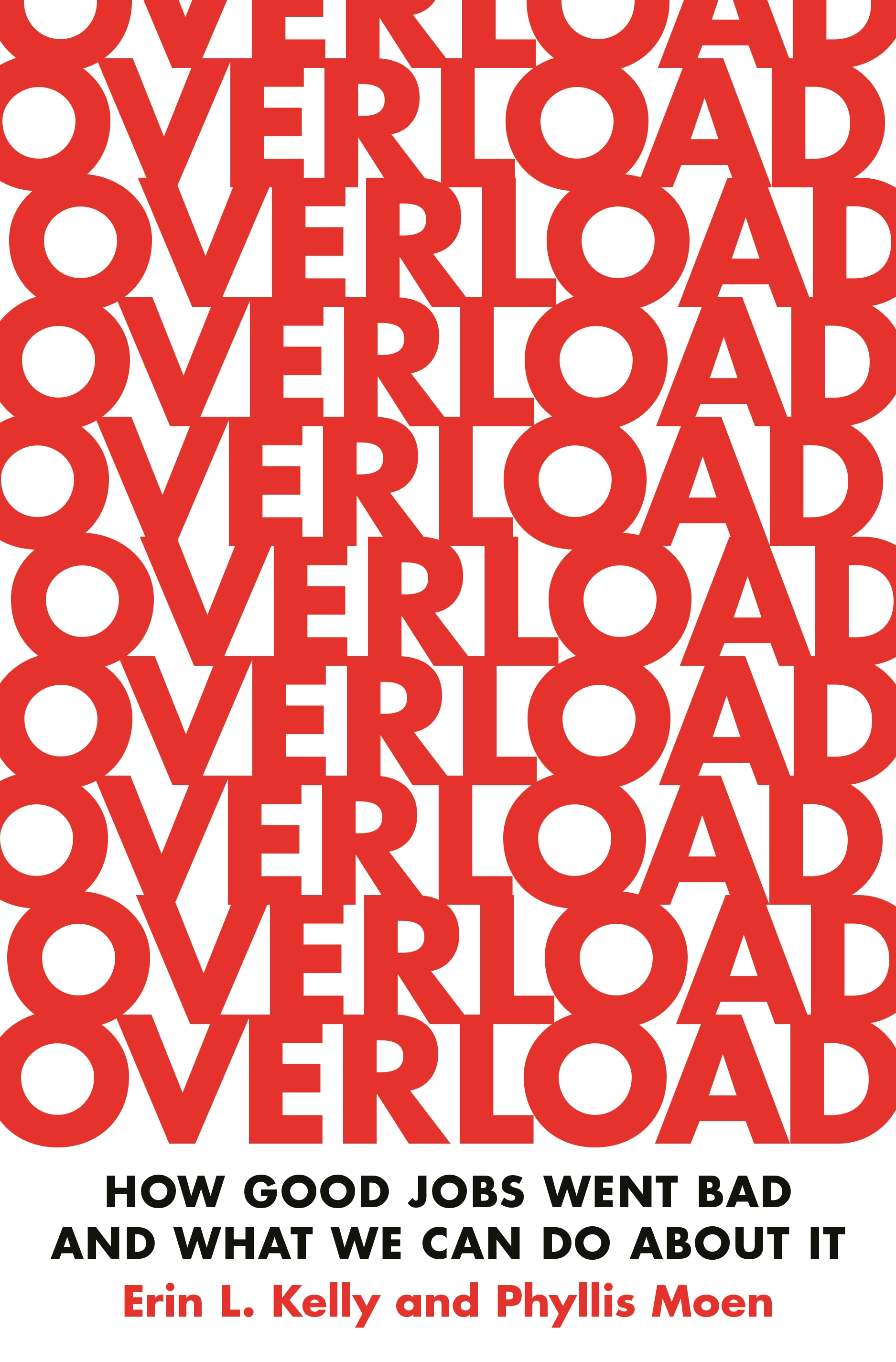
Overload: How Good Jobs Went Bad and What We Can Do about It
Why too much work and too little time is hurting workers and companies—and how a proven workplace redesign can benefit employees and the bottom line.
Why too much work and too little time is hurting workers and companies—and how a proven workplace redesign can benefit employees and the bottom line.
Experts discuss improving job quality in low-wage industries including retail, residential construction, hospitals and long-term healthcare, restaurants, manufacturing, and long-haul trucking.

A good job’s compensation can vary more within a industry than across different sectors, says MIT professor Zeynep Ton.

This panel will approach key elements and lessons learned when implementing a reskilling strategy in a legacy organization and in a growing entrepreneurial company.

The real pay of typical workers has grown much more slowly than productivity over recent decades in several developed economies.
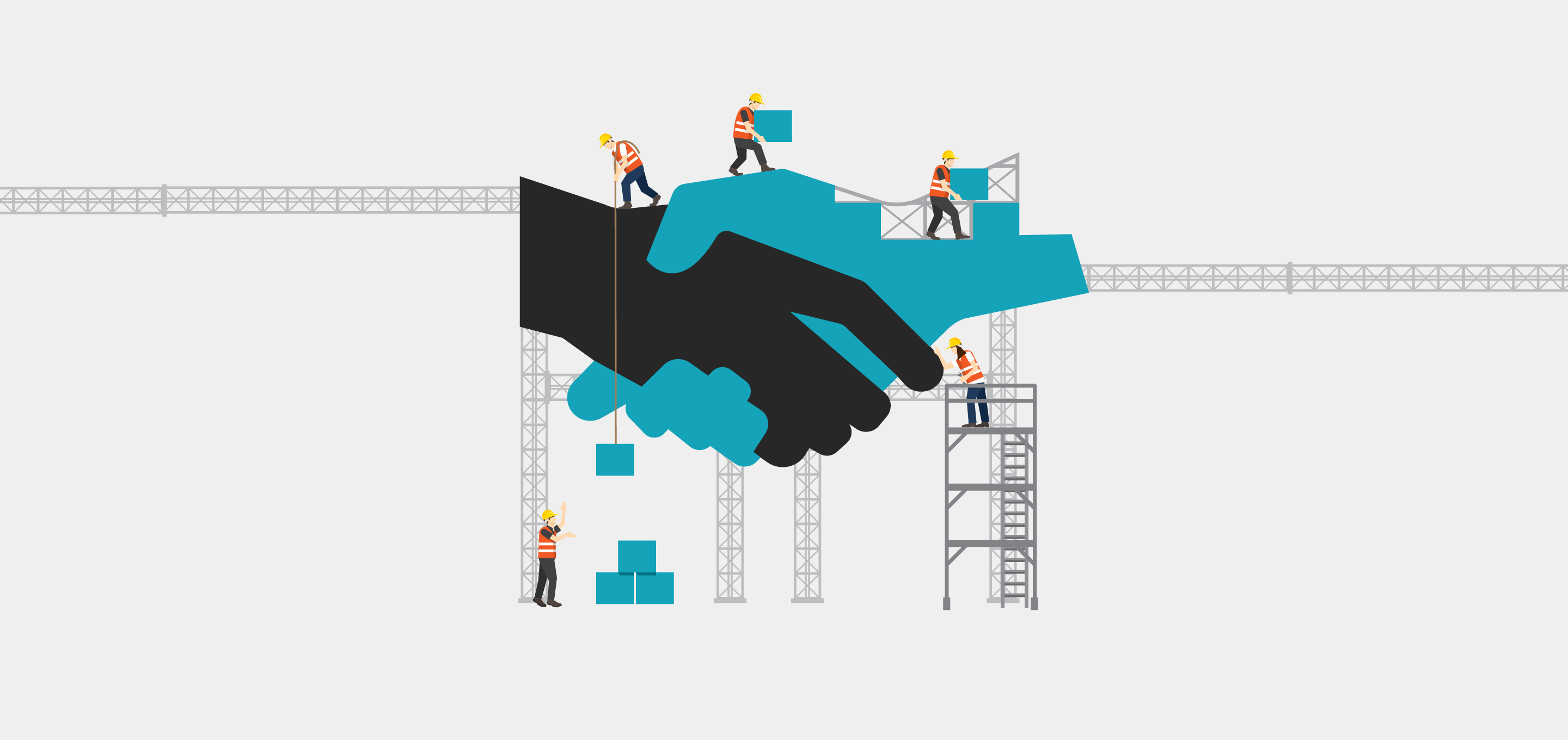
In recent decades, workers in the United States have faced widening inequality and limited prospects for upward mobility.
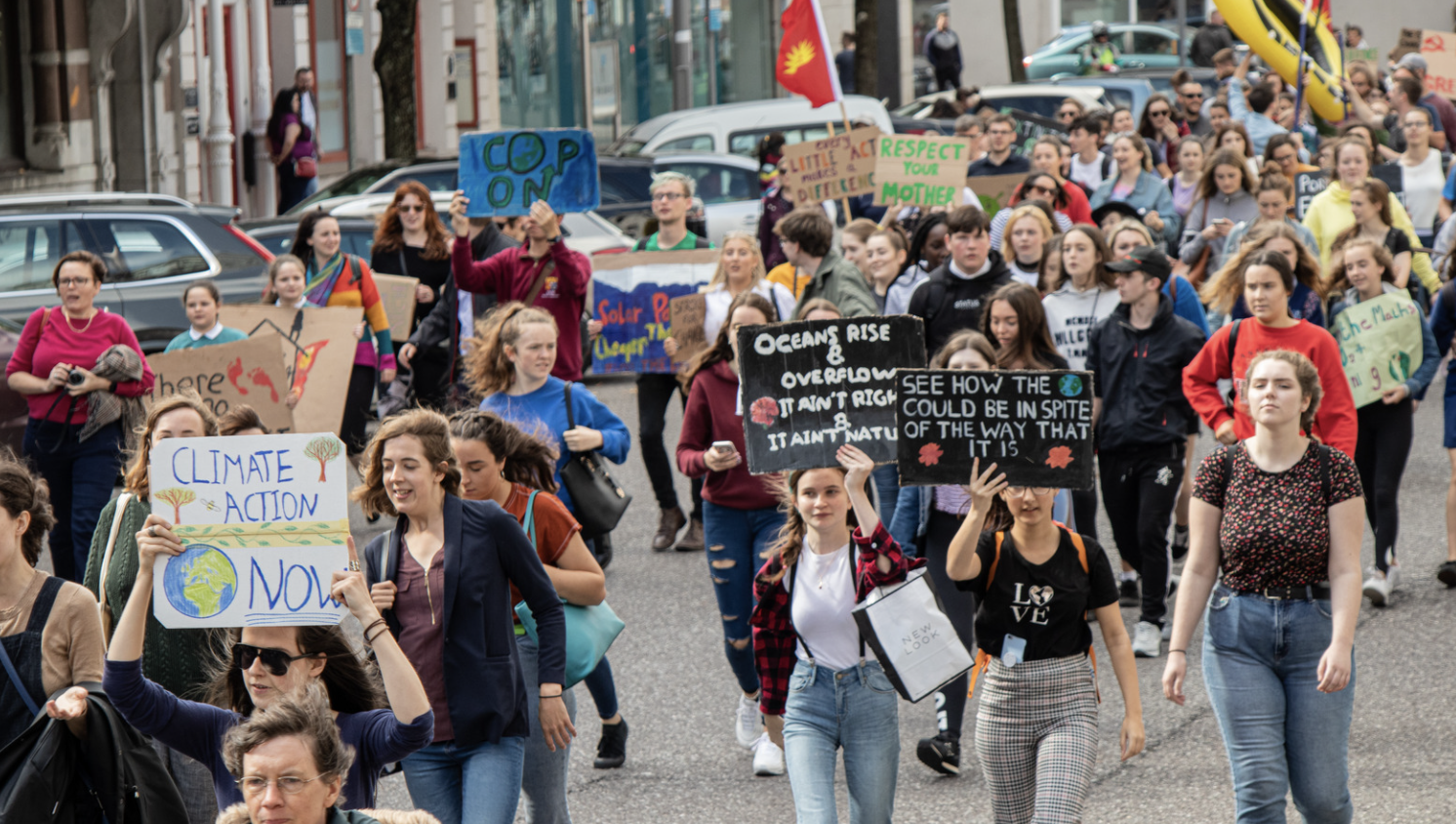
There’s really going to have to be a paradigm shift in realizing that every job needs to be a sustainability job at some level," says MIT Sloan's Bethany Patten.
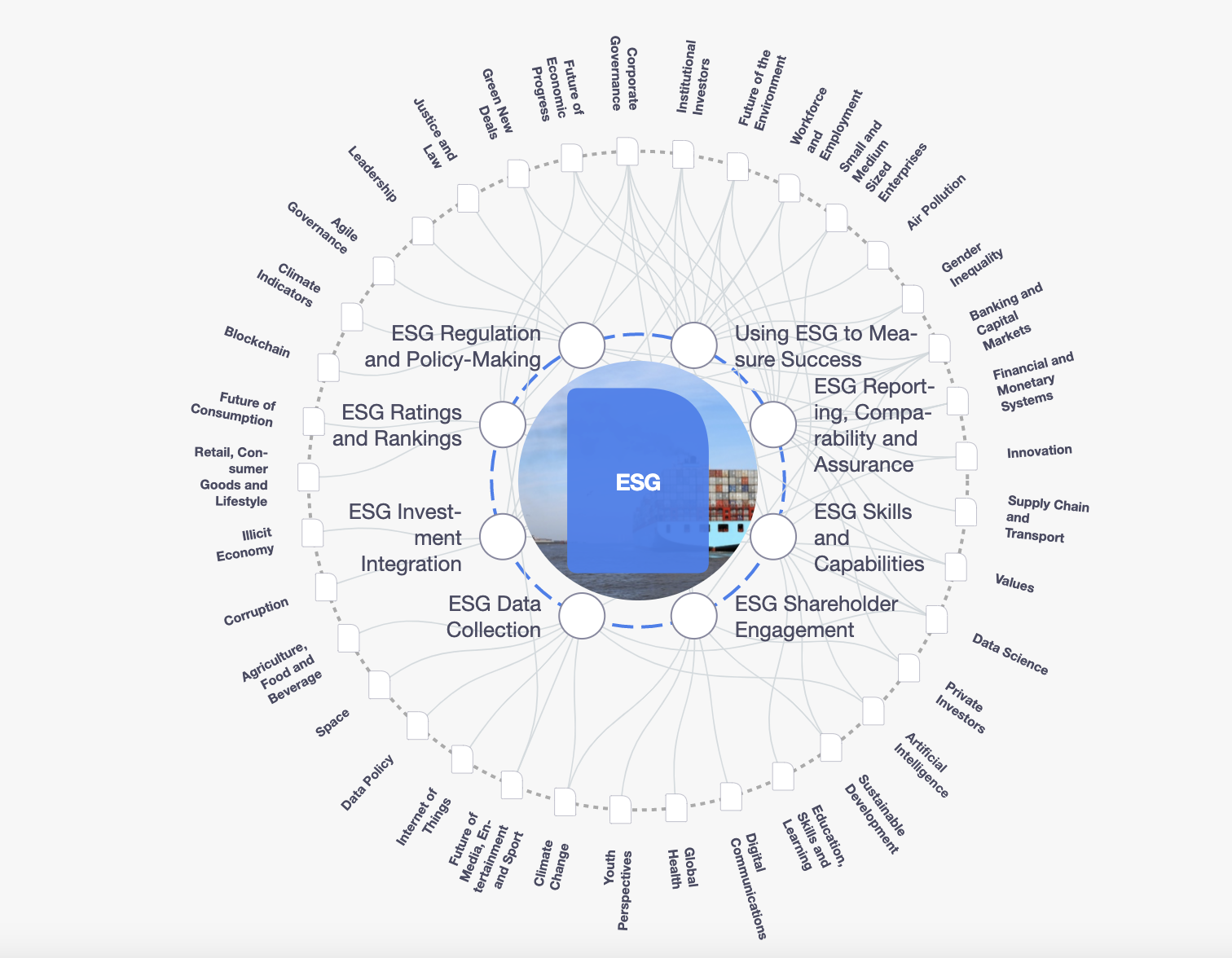
Our Director Jason Jay has worked with the WEF to curate a useful primer on the field of ESG, including important background information and resources for further learning.
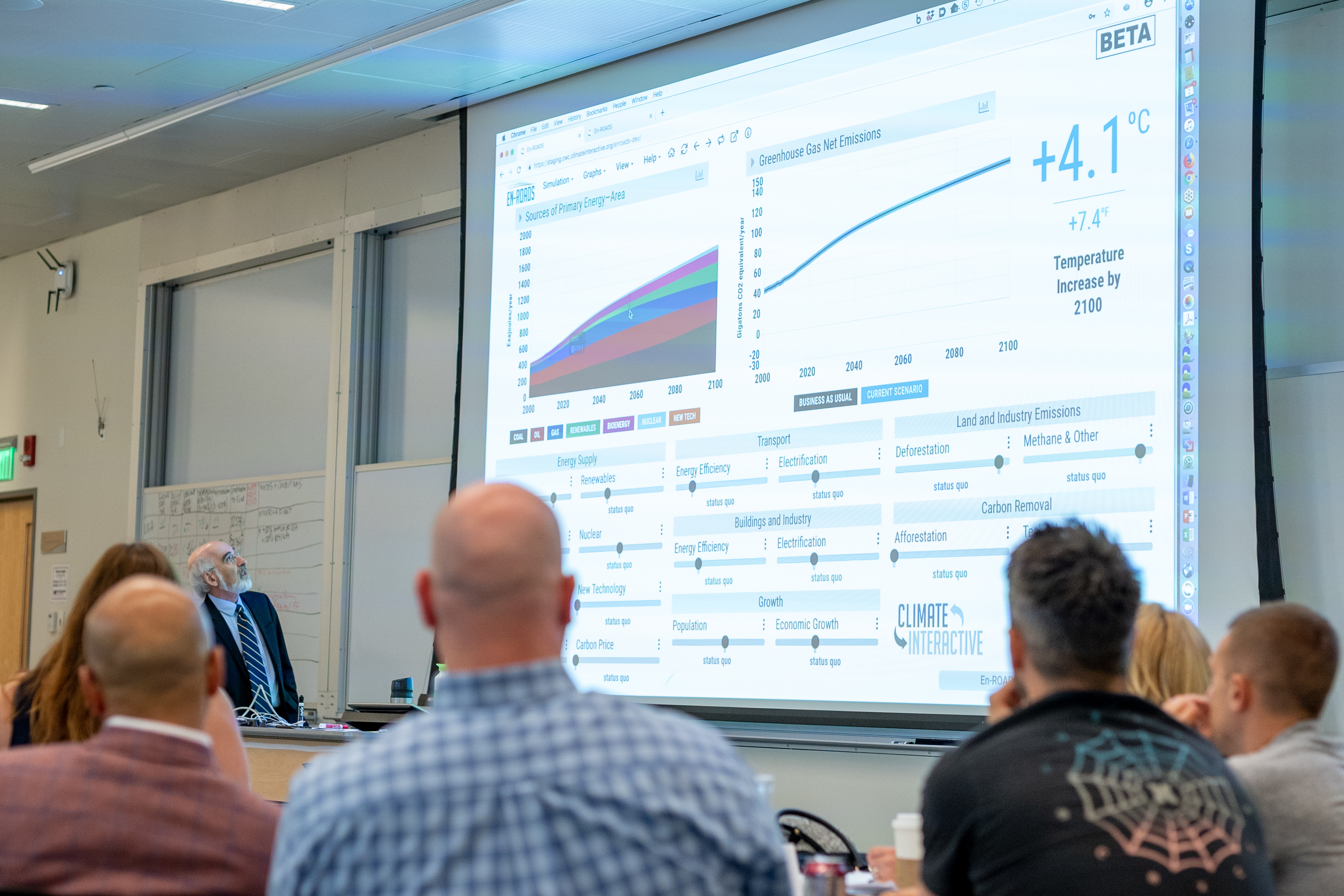
New study from UMass Lowell shows how World Climate, co-developed with Climate Interactive, does more than help people understand countries’ climate pledges - it can also reduce polarization.

How a blind spot in the Kyoto Protocol helped create the biomass industry.