Who Bears the Burden of Climate Inaction?
In a new analysis, Kimberly A. Clausing of UCLA and Christopher R. Knittel and Catherine Wolfram of MIT Sloan find that climate change is already costing U.S. households hundreds of dollars each year.


A study led by MIT Sloan Professor Erin L. Kelly examines the potential for employee input to improve workplace well-being.
Drawing on an extensive literature review and analysis of five case studies, this paper develops design principles for backbone organizations pursuing systemic change.
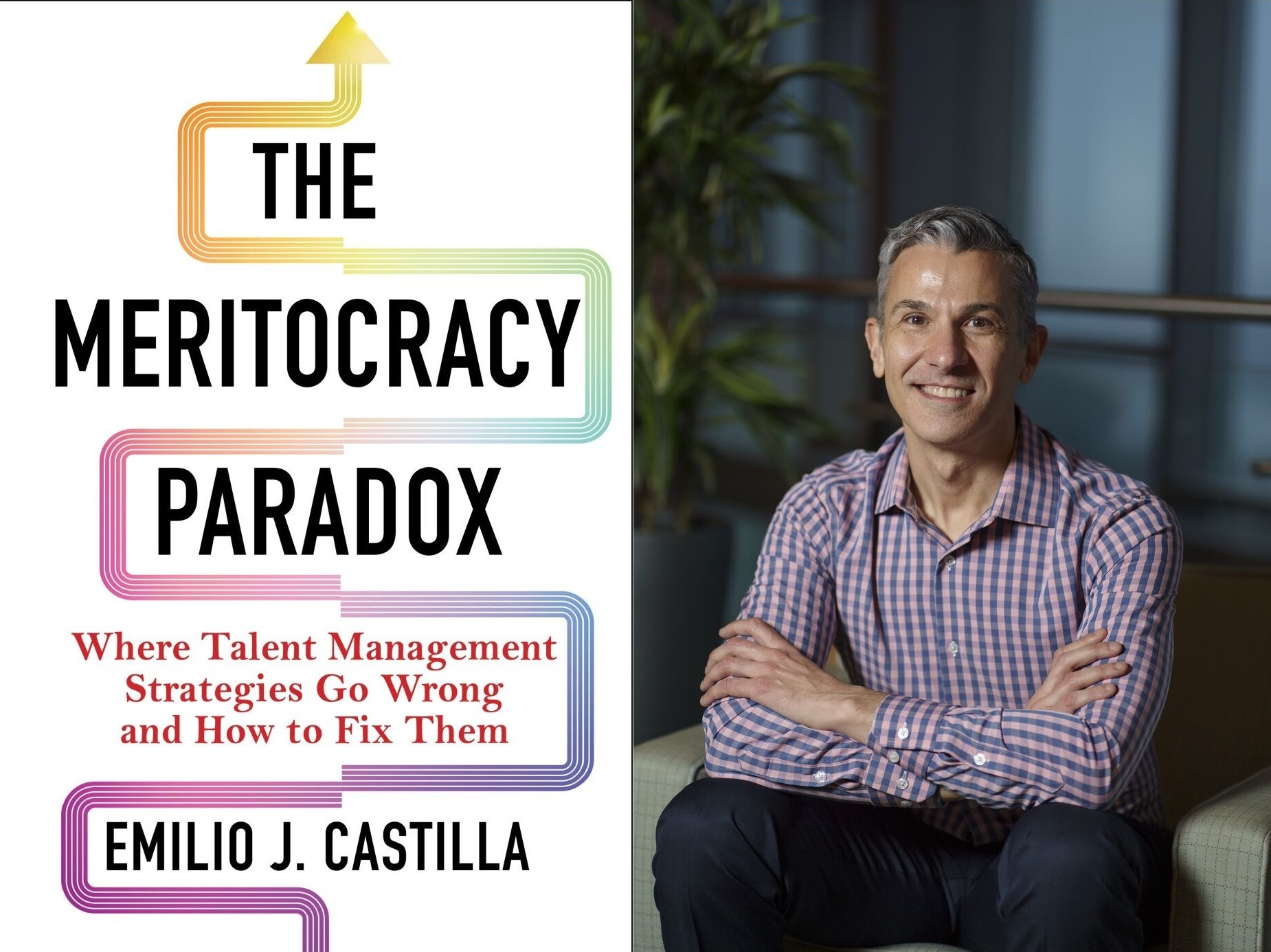
MIT Sloan Professor Emilio J. Castilla explains how bias can creep into employers’ talent management processes — and what leaders can do to make their organizations fairer and more meritocratic.
This brief examines how energy poverty is shifting as cooling needs rise. It finds that LIHEAP’s outdated allocation favors cold-weather states, while more assistance is needed in warmer regions.
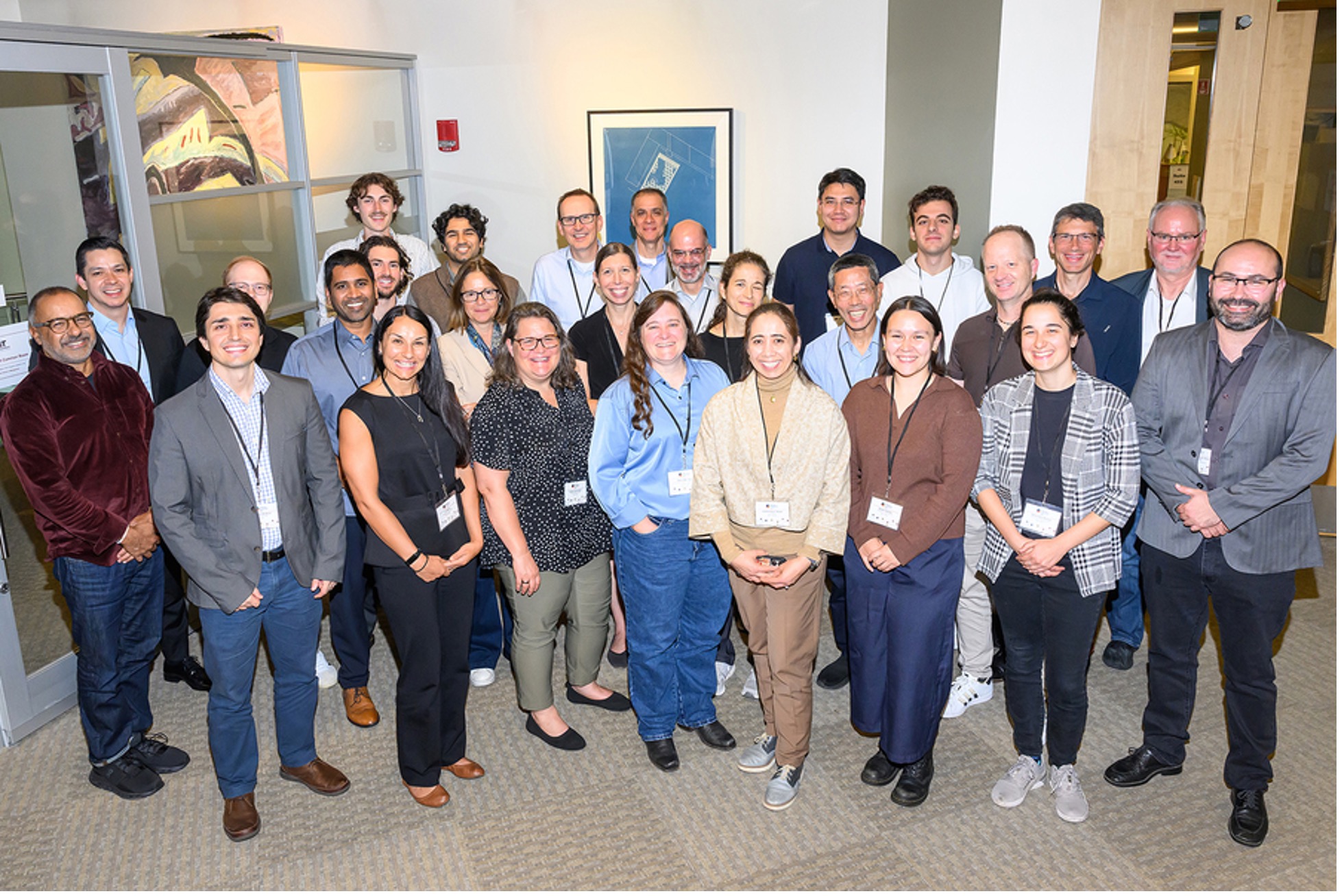
The consortium convenes industry, academia, and policy leaders to navigate competing demands and reimagine materials supply.
Macro, a modeling tool developed by the MIT Energy Initiative, enables energy-system planners to explore options for developing infrastructure to support decarbonized, reliable, & low-cost power grids
A new working paper from a trio of eminent economists tallies the effects of warming — particularly extreme weather — on Americans’ budgets.
“Carbon pricing is not dead,” expert says of group led by Brazil with 18 members including China and the EU that have carbon markets.
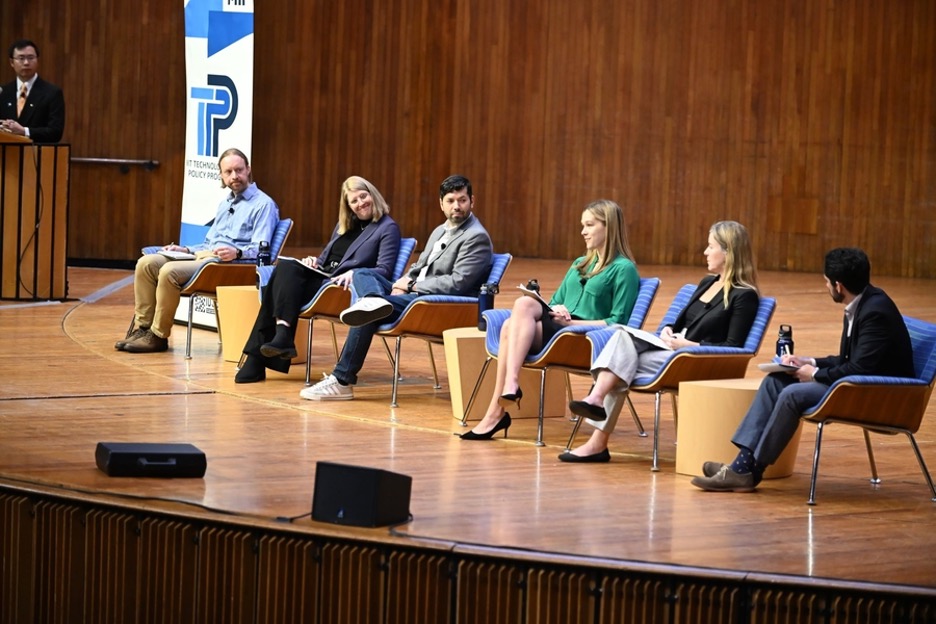
The MIT Technology and Policy Program marked 50 years with a symposium exploring its history of education, research, and impact — while looking ahead to technology policy issues of the future.