What is a quantum economic advantage?
A benchmark for determining when a problem can be solved more quickly with a quantum computer than with a comparably priced classical computer.
Generative artificial intelligence that complements humans and augments their skills.
A metric to assess which U.S. counties will be hardest hit by job losses and economic displacement in the transition to clean energy.
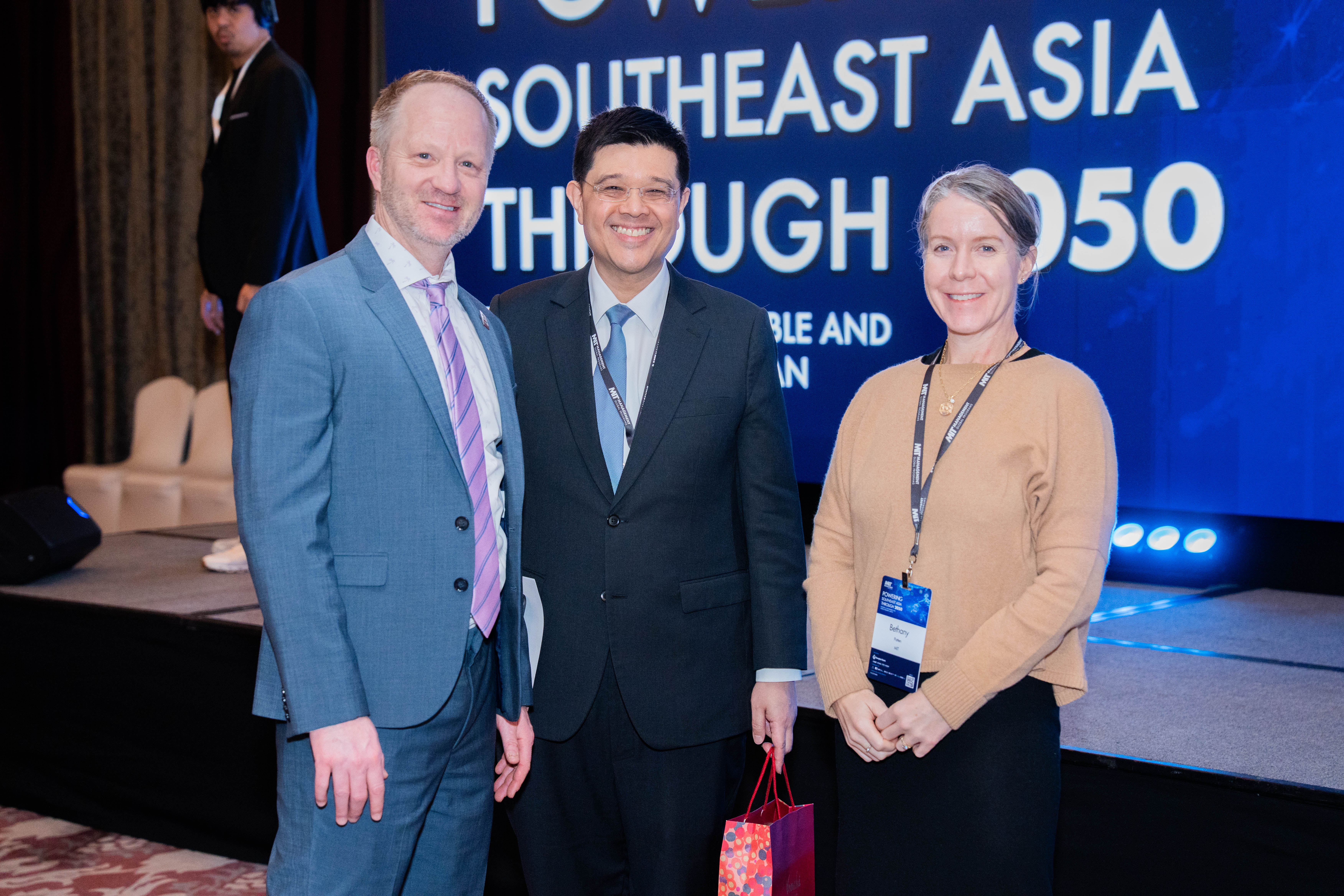
MIT CPC research on the existing, unequal costs of climate change as felt by U.S. households, Christopher Knittel's contributions to a NewDEAL report, and an energy and climate event in Bangkok.
Brazilian government proposes the a coalition to unify carbon markets, informed by a proposal from the Global Climate Policy Project at Harvard and MIT, a flagship MIT Climate Policy Center project.
This article features discussion about a global climate coalition proposal from the Global Climate Policy Project (GCPP) at Harvard and MIT, an MIT Climate Policy Center flagship project.
GCPP at Harvard and MIT, a flagship MIT Climate Policy Center project, aims to impact global carbon emissions.
Professor Christopher Knittel discusses the key factors contributing to rising electricity costs in the United States.
Professor Catherine Wolfram weighs in on the potential carbon emissions implications for boosting Venezuela's oil production.
An employment practice whereby an employer hires someone who has a criminal record.