

MIT News
What to do about AI in health?
Although artificial intelligence in health has shown great promise, pressure is mounting for regulators around the world to act, as AI tools demonstrate potentially harmful outcomes.
Although artificial intelligence in health has shown great promise, pressure is mounting for regulators around the world to act, as AI tools demonstrate potentially harmful outcomes.
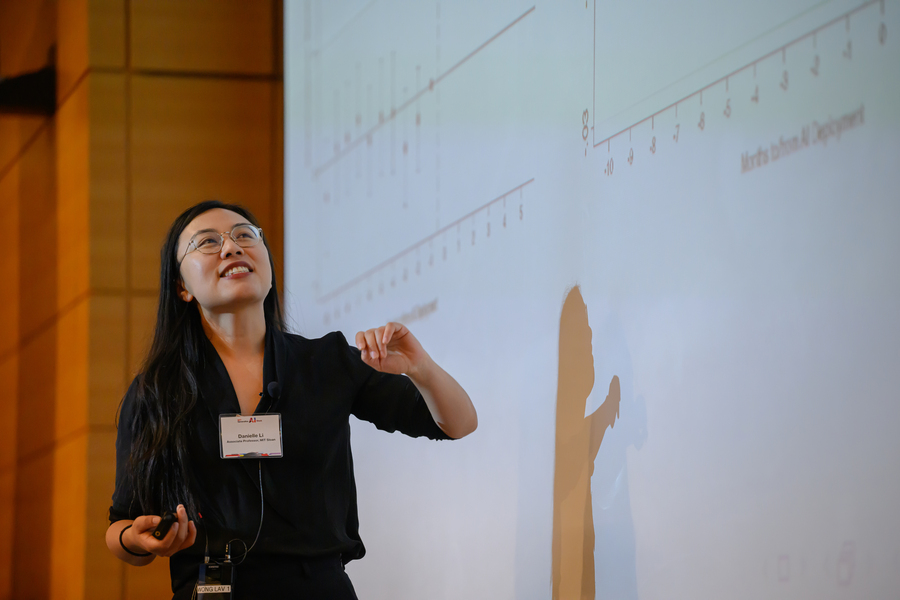
During the last week of November, MIT hosted symposia and events aimed at examining the implications and possibilities of generative AI.
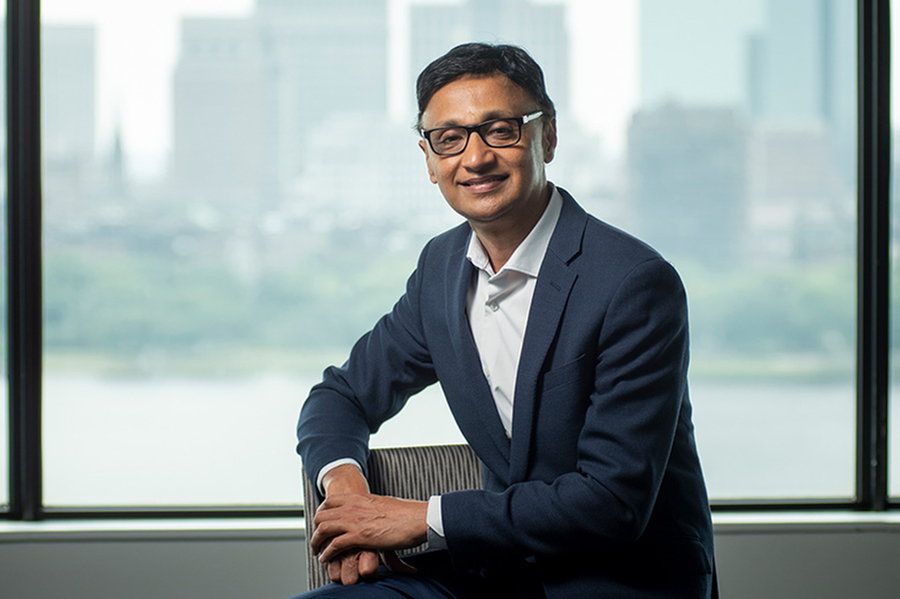
Professor of the practice Rama Ramakrishnan, SM ’90, PhD ’94, helps companies explore the promises and perils of large language models and other transformative AI technologies.
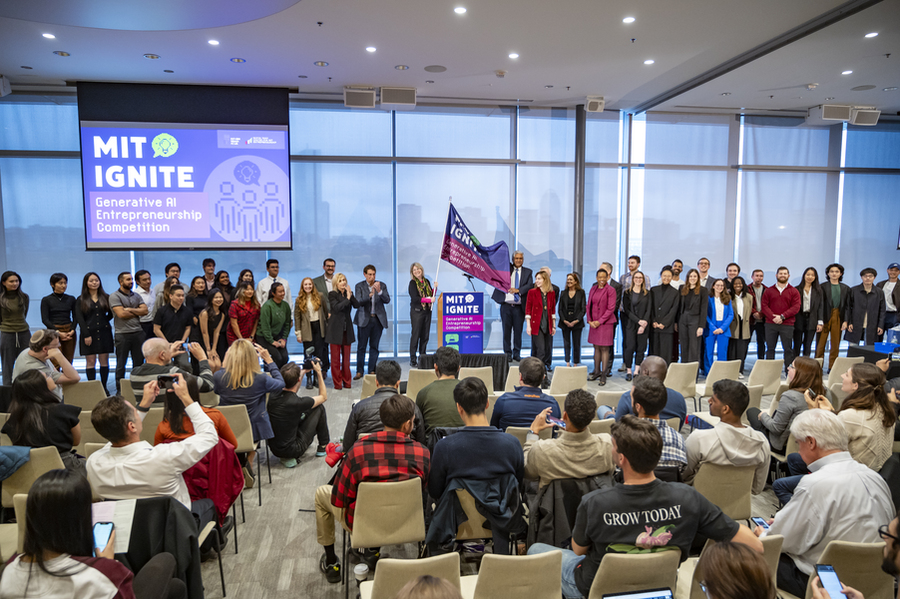
Twelve teams of students and postdocs across the MIT community presented innovative startup ideas with potential for real-world impact.

The MIT Schwarzman College of Computing awards seed grants to seven interdisciplinary projects exploring AI-augmented management.
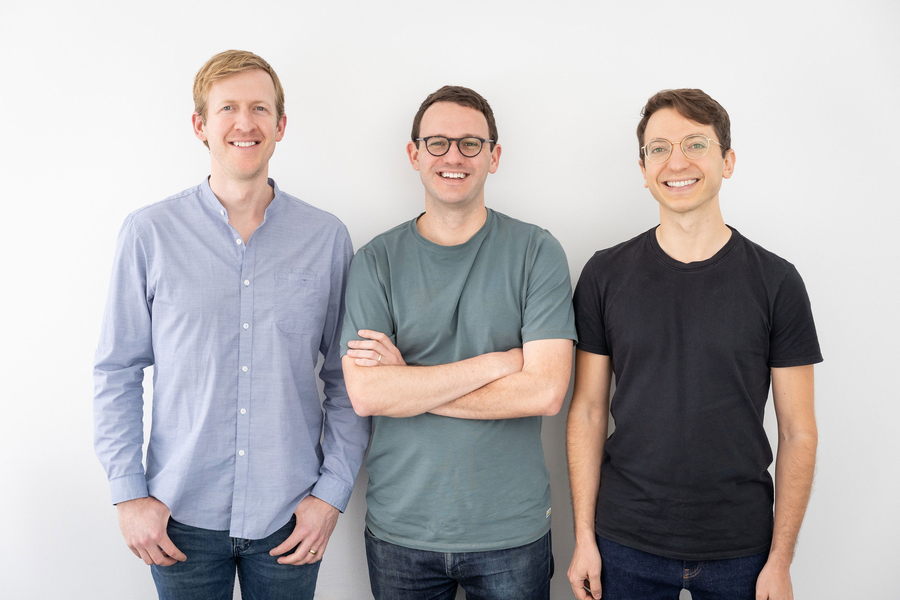
Platform co-founded by a Sloanie taps the wisdom of crowds to label medical data for AI companies.

In their new book, “Power and Progress,” Daron Acemoglu and Simon Johnson ask whether the benefits of AI will be shared widely or feed inequality.

The technology of MIT alumni-founded Hosta AI creates detailed property assessments from photos.
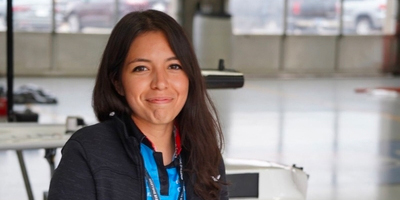
Cindy Heredia’s journey from Laredo, Texas, took her to leading the MIT autonomous vehicle team and an MBA from MIT Sloan.
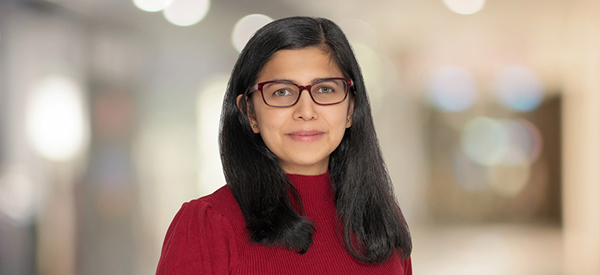
MIT spinout Verta, founded by Manasi Vartak, SM ’14, PhD ’18, offers tools to help companies introduce, monitor, and manage machine-learning models safely and at scale.