MIT Sloan professor builds new meta-analysis method to help settle unresolved debates
Method more accurately estimates basal metabolic rates only using prior studies
Stopping the spread of misinformation while maintaining free speech is a major challenge for social media companies. The Birdwatch program allows users to provide additional context for tweets.
The Open Coalition on Compliance Carbon Markets, announced by leaders from 10 countries and the European Union, draws from a proposal from the Global Climate Policy Project at Harvard and MIT.
Does generative AI actually enhance creativity in the workplace? The answer is yes — but only for employees who have strong metacognitive strategies, according to new research from Jackson Lu.
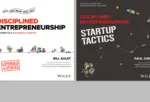
In pop culture, entrepreneurs often chase fortune without a plan. Bill Aulet and Paul Cheek say entrepreneurial success looks a lot more disciplined in real life.
Using the case of Harvard Square, Catherine J. Turco explores the role of street-level markets in our daily lives, why we fall in love with them, and why we so often struggle with changes in them
The findings found a rise in the number of students who had access to Facebook reporting severe depression and anxiety (7% and 20% respectively).
Banks should be reopened first, while cafes and gyms should come much later; places of worship should be opened after colleges and universities, according to the analysis.
A new paper from MIT Sloan assistant professor Basima Tewfik reveals that "impostor syndrome" — or, as it’s more accurately known, the "impostor phenomenon" — is often mischaracterized.
MIT Sloan Adjunct Professor Mary P. Rowe, a pioneer in the organizational ombuds profession, has made many of the articles she has written over her career freely available on her personal webpages at MIT Sloan.