Meet Our Faculty Director, Chris Knittel
Learn a bit about Christopher R. Knittel, the Faculty Director of the MIT Climate Policy Center.
What happens when manufacturing companies regularly incorporate worker feedback and ideas into their production processes? New research coauthored by MIT Sloan Professor Nathan Wilmers finds that productivity is generally higher—and so is production worker pay.
The MIT Climate Policy Center is a coauthor of a new United Nations policy brief providing advice and recommendations about technologies available to reduce greenhouse gas emissions and improve climate resilience in the buildings sector, as well as the public policies that can accelerate deployment ...
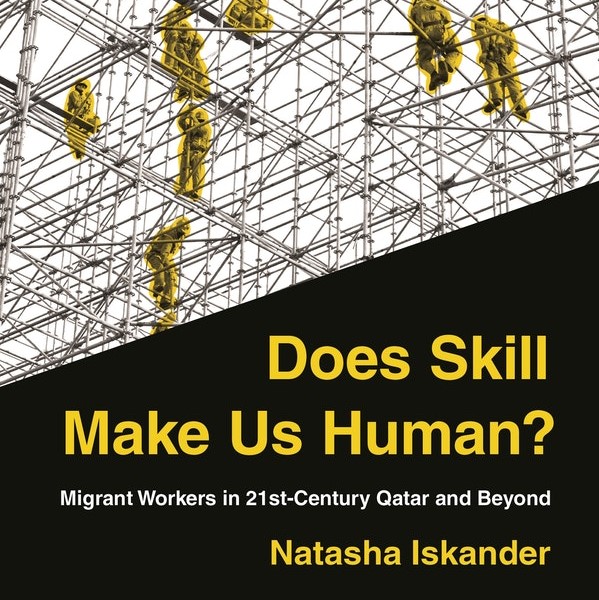
Research by New York University (NYU) professor Natasha Iskander, who is an alumna of the MIT IWER PhD program, finds that there are companies targeting regions experiencing climate stress when recruiting migrant workers.
Will 2022 be a year that companies take steps toward creating healthier working conditions for their employees? Certainly, the idea is getting attention as the year gets underway.
How will artificial intelligence (AI) affect jobs and society? That question, argues MIT Sloan Professor Thomas A. Kochan, is too important to be left strictly to technology vendors.
On May 25, the MIT Institute for Work and Employment Research (IWER), held a virtual celebration of the careers and contributions of three esteemed IWER faculty members: Thomas Kochan, Paul Osterman, and Barbara Dyer.
MIT economist Daron Acemoglu spoke during a webinar organized at MIT Sloan titled “Ethical Automation: Shaping the Future of Work.”
How do women in low-wage service-sector jobs respond to unemployment? That's a question Claire C. McKenna explored in her recent doctoral dissertation in the MIT Institute for Work and Employment Research (IWER) PhD program.
2023 marked the 50th anniversary of Mary P. Rowe’s tenure at MIT, where she began as the Special Assistant to the President and Chancellor for Women and Work—a role that evolved into an early organizational ombuds, listening to workplace concerns, from both men and women, throughout the Institute.