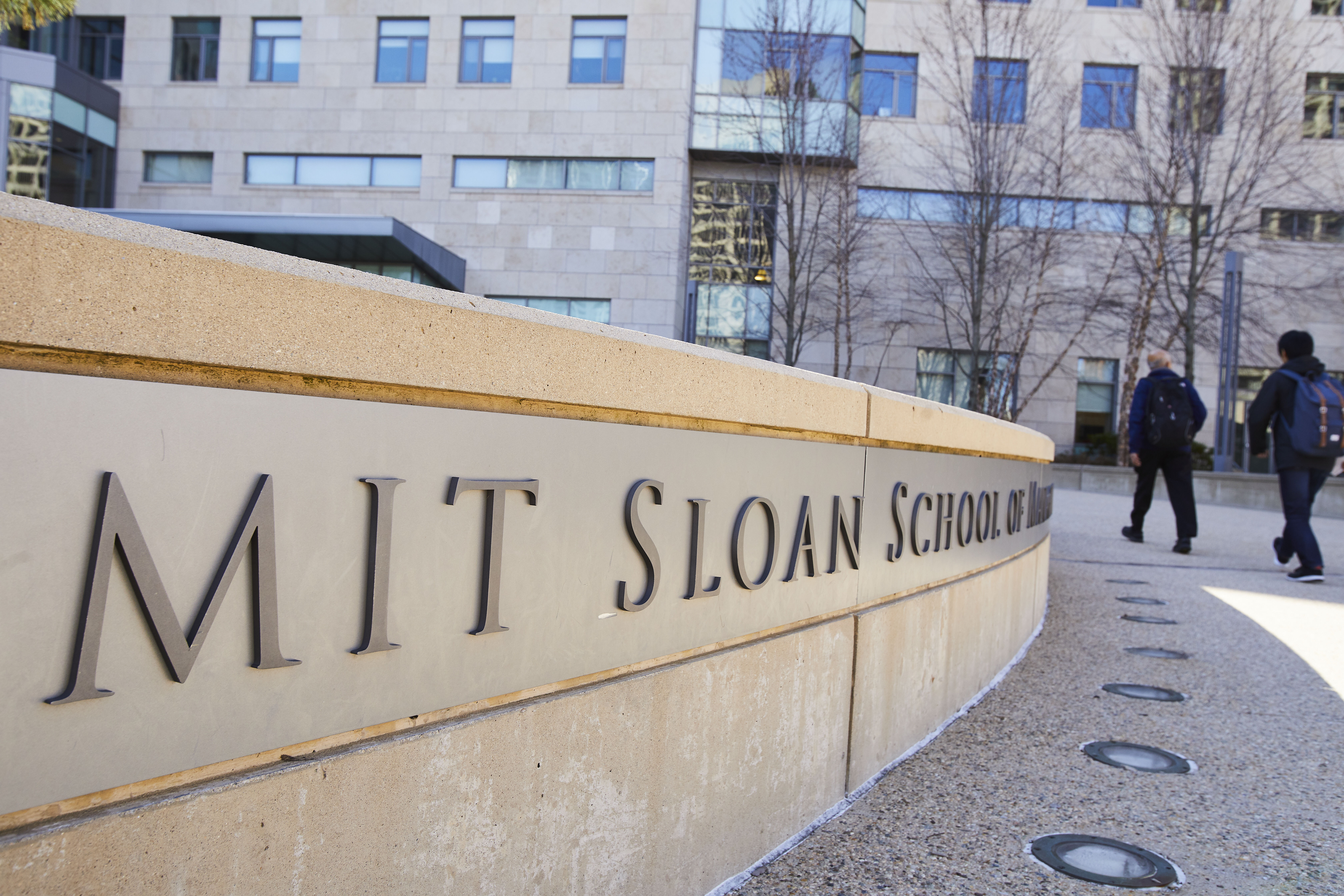
MIT’s Sloan School Launches Ambitious Climate Center to Aid Policymakers
An ambitious new climate change initiative at MIT’s Sloan School of Management seeks to harness the collective knowledge of the university to help tackle the climate crisis


Knittel told Axios that too often, policy-applicable work lacks incentives for academics
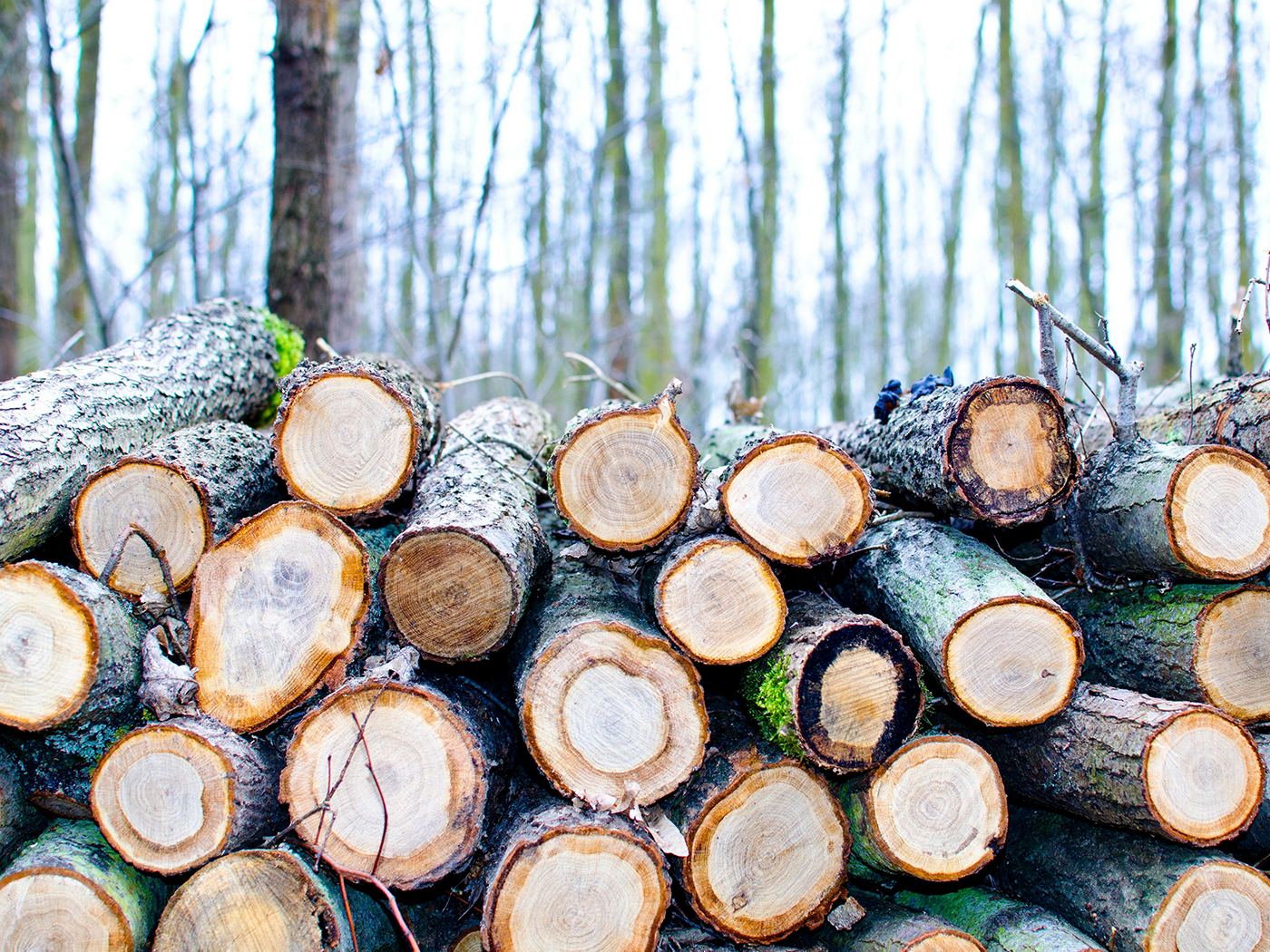
Many current and proposed forest management actions in the U.S. are not consistent with climate goals. Preserving 30-50% of lands for their carbon, biodiversity, and water is feasible and necessary.
Wood emits more CO2 per kilowatt-hour than coal, and forest regrowth takes decades to a century or more – time we do not have to cut emissions enough to avoid the worst harms from climate change.
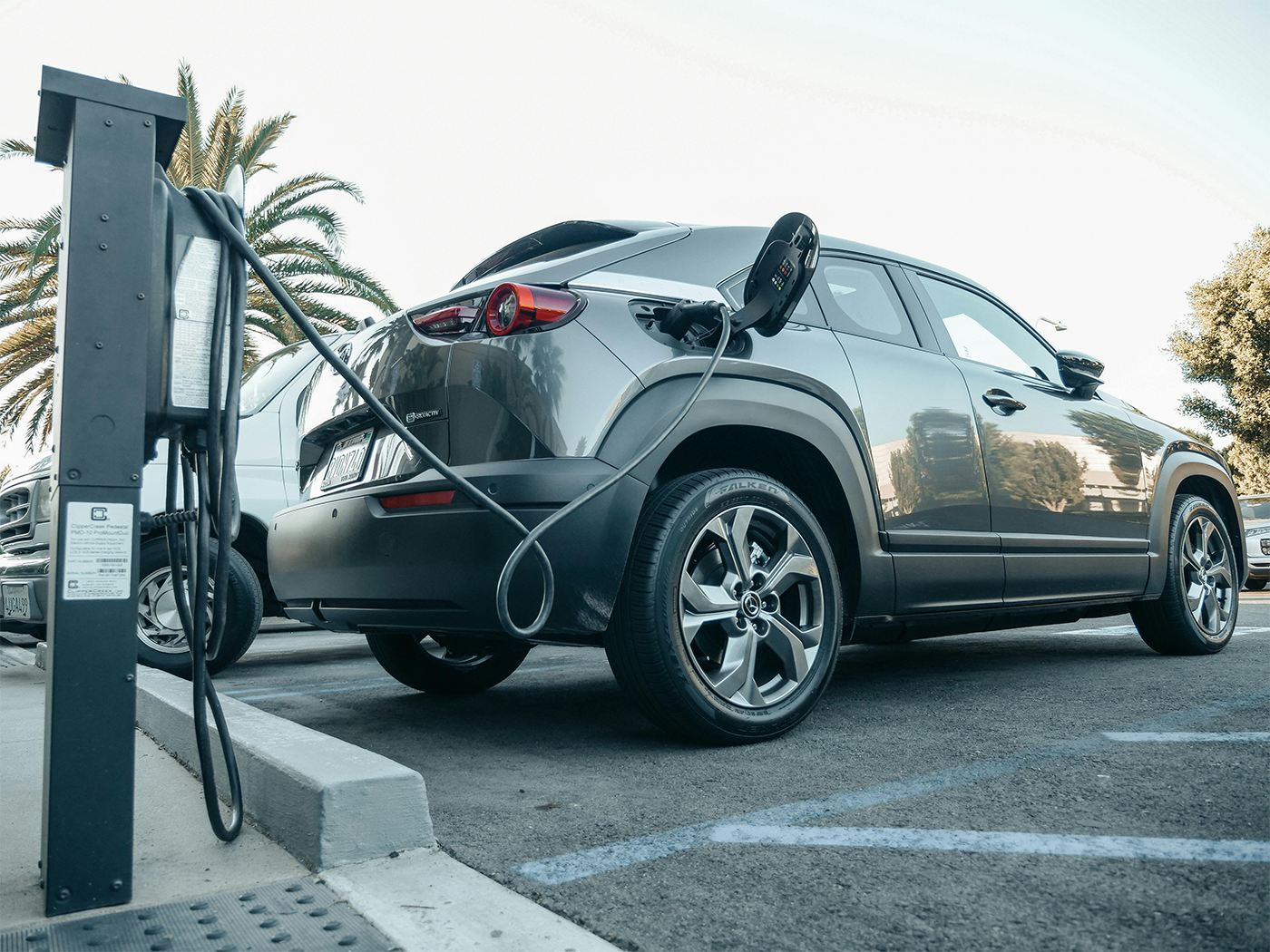
Incentivizing early retirement of gas-powered vehicles with a cash incentive can accelerate U.S. vehicle fleet electrification and achieve greater emissions reduction at a reasonable cost.
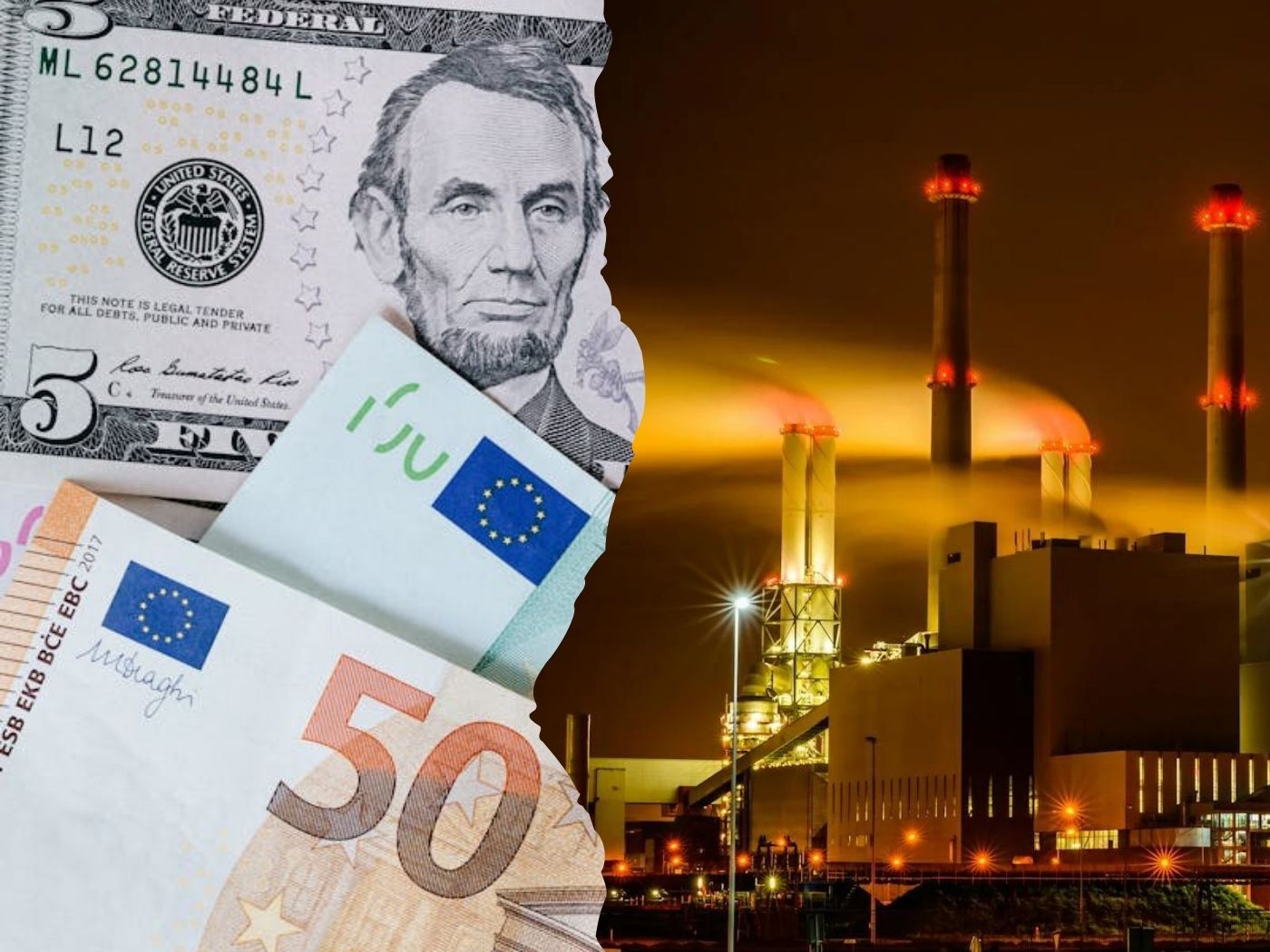
To figure out what really works when nations try to fight climate change, researchers looked at 1,500 ways countries have tried to curb heat-trapping gases. Their answer: Not many have done the job. A
NPR's Ailsa Chang talks with Andrew Jones of the nonprofit Climate Interactive about why he thinks people should fight to reverse the climate change trend, despite recent bleak projections.
The World Climate Simulation drops players into a UN debate, and shows them the real-world impact of their game decisions.
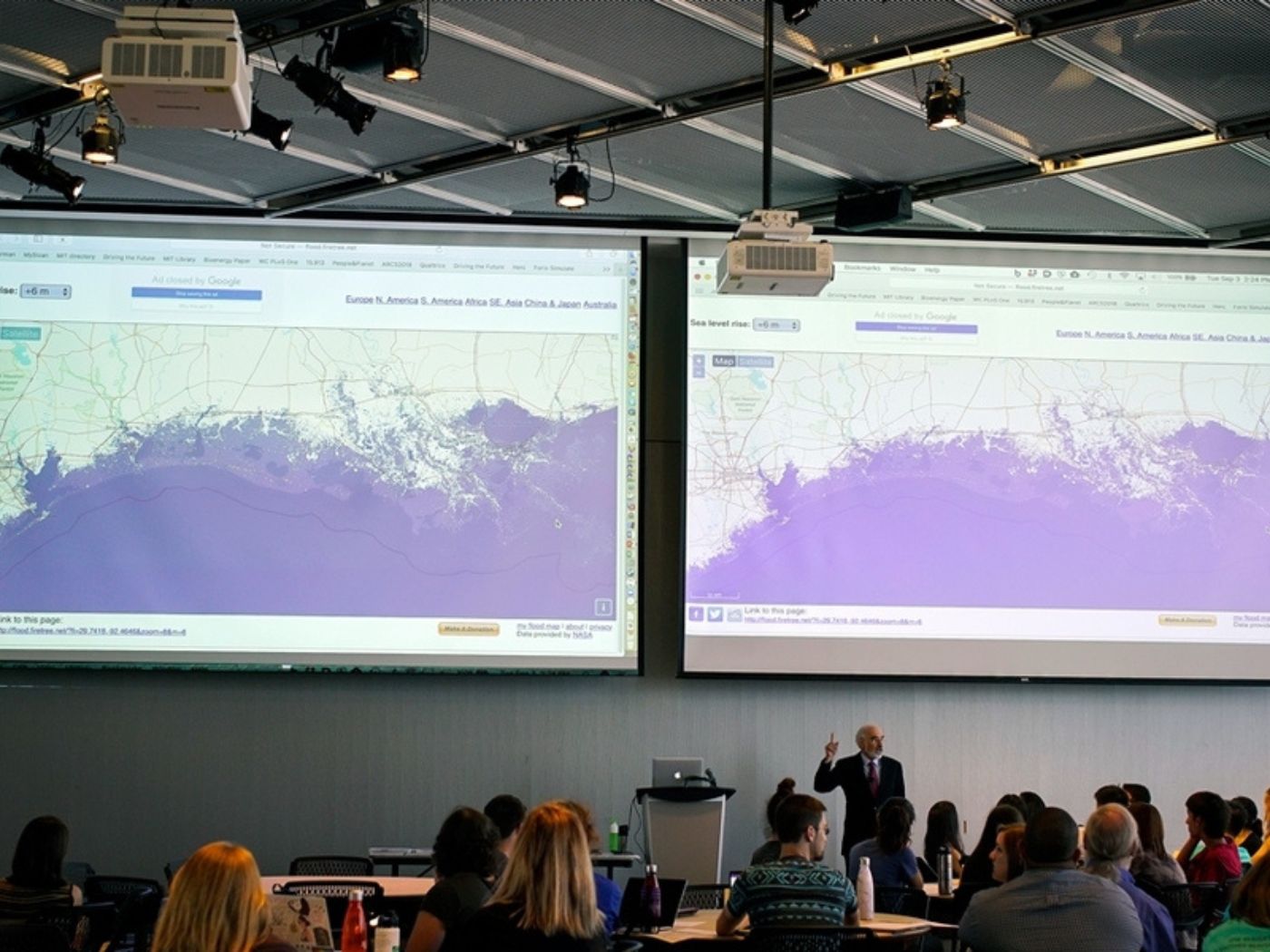
At “SimPlanet” event, students test-drive new computer simulation to reveal outcomes of different policy decisions.
US oil production hits all-time high, conflicting with efforts to cut heat-trapping pollution