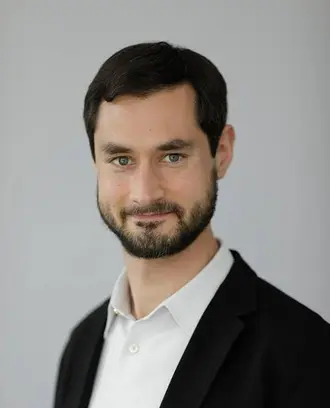

Jiyoung Lee, Postdoctoral Associate, MIT Climate Policy Center
Jiyoung Lee believes financial markets and public policy could be designed to support more effective and equitable climate adaptation. As a Climate Policy Center post-doctoral researcher, her goal is to find out how.
Jiyoung is examining how climate risk is priced in insurance and housing markets, how insurance policy reforms affect behavior, and how insurance can be designed to encourage effective climate risk adaptation.
“I became interested in this area because climate risk is increasingly revealing gaps in how households, markets, and policies prepare for and respond to extreme weather events,” she says. “These gaps are especially visible in housing and insurance markets, where households often face significant exposure, but may lack clear information or sufficient financial resources to adapt.”
What excites her most about this topic is the growing attention to the role of insurance markets in responding to intensifying climate risks.
“As climate risks become more visible in housing and insurance markets, this area raises important questions about how insurance can price risk, maintain affordability, and encourage investment in resilience,” she says. “I find it especially exciting because insurance markets can do more than provide financial protection after disasters; they can also communicate risk and potentially encourage risk mitigation before losses occur.”
Climate risk management, however, is not only about identifying where risks are increasing, Jiyoung notes. It’s also about understanding how people respond to those risks in practice.
“When facing significant climate risk, their decisions are shaped by insurance prices, budget constraints, risk information, regulations, and expectation about future risk.”
Since climate risk is a complex problem requiring insights from multiple fields, including economics, urban planning, real estate, engineering, data science, and public policy, Jiyoung looks forward to collaborating with MIT researchers across disciplines. She hopes her research will provide evidence that will inform both academic and policy discussions—and solutions.
“The Climate Policy Center provides a great environment for this type of interdisciplinary work,” she says.