

Press
How MIT's new climate center stands out
MIT's Sloan School is setting up a climate policy center that aims to produce policy-relevant research.
MIT's Sloan School is setting up a climate policy center that aims to produce policy-relevant research.
"Hubris is a thing — a very, very human thing. Have the geeks figured out how to eliminate hubris? No, it's a very hard thing to eliminate."
Leaders of sustainable companies never forget that businesses are complex systems whose elements are interconnected.

"With the mandate on boards to serve as the strategic cybersecurity guards of their companies, more needs to be done to guard the guards."
Mendacity and the uncritical repetition of blatant lies can chip away at our ability to assess the plausibility of other, unrelated news stories.
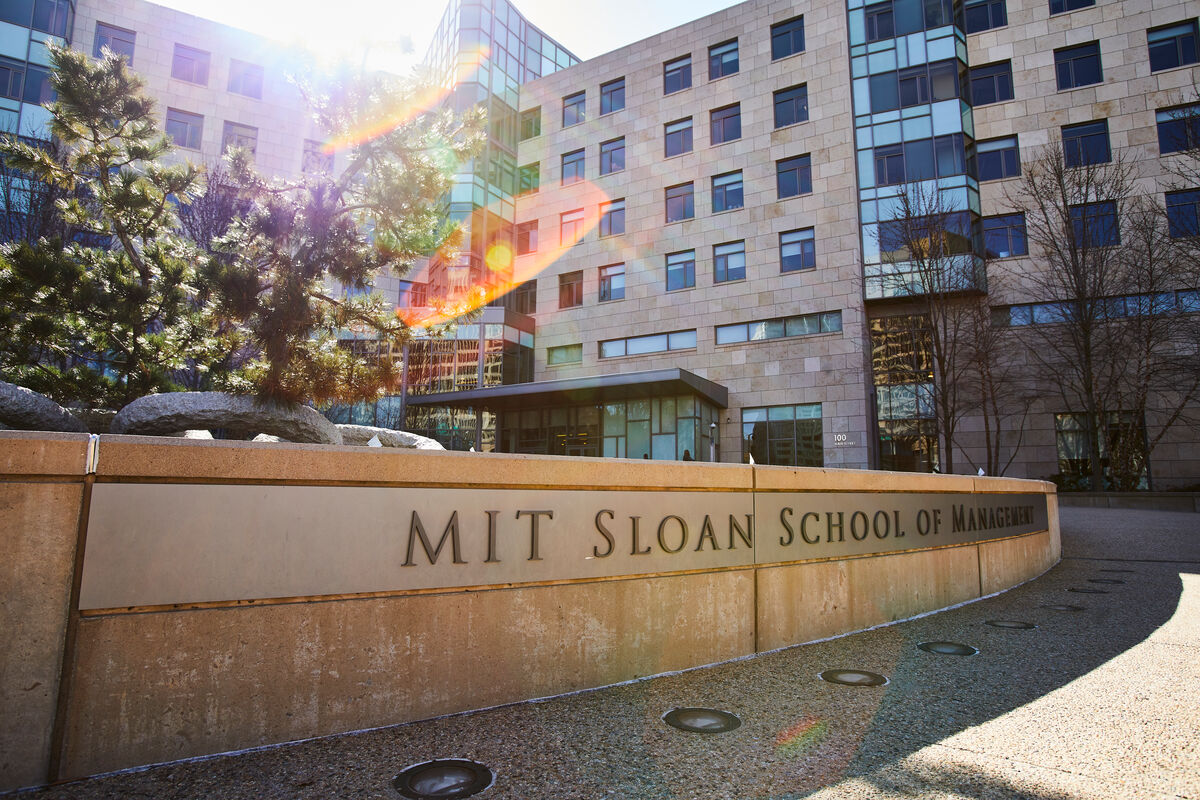
"The Climate Policy Center is not going to fund-raise through corporations. It'll be through the endowment that has already been provided ... "
"In many cases, companies fall victim to these attacks because they aren’t aware of the risks that they are taking."
The west is not channelling innovation as well as it could. “This reflects the dominance of a few firms that are hoarding innovative resources."
In his book "red helicopter–a parable for our times" James C. Rhee reveals how compassion can help us to find meaningful success at work.
"You no longer need to be a programmer to create applications or an artist to create graphics."