
Behavioral science tools to strengthen energy & environmental policy
Getting people to adopt behaviors that increase energy conservation and reduce costs for the environment requires a multipronged approach.
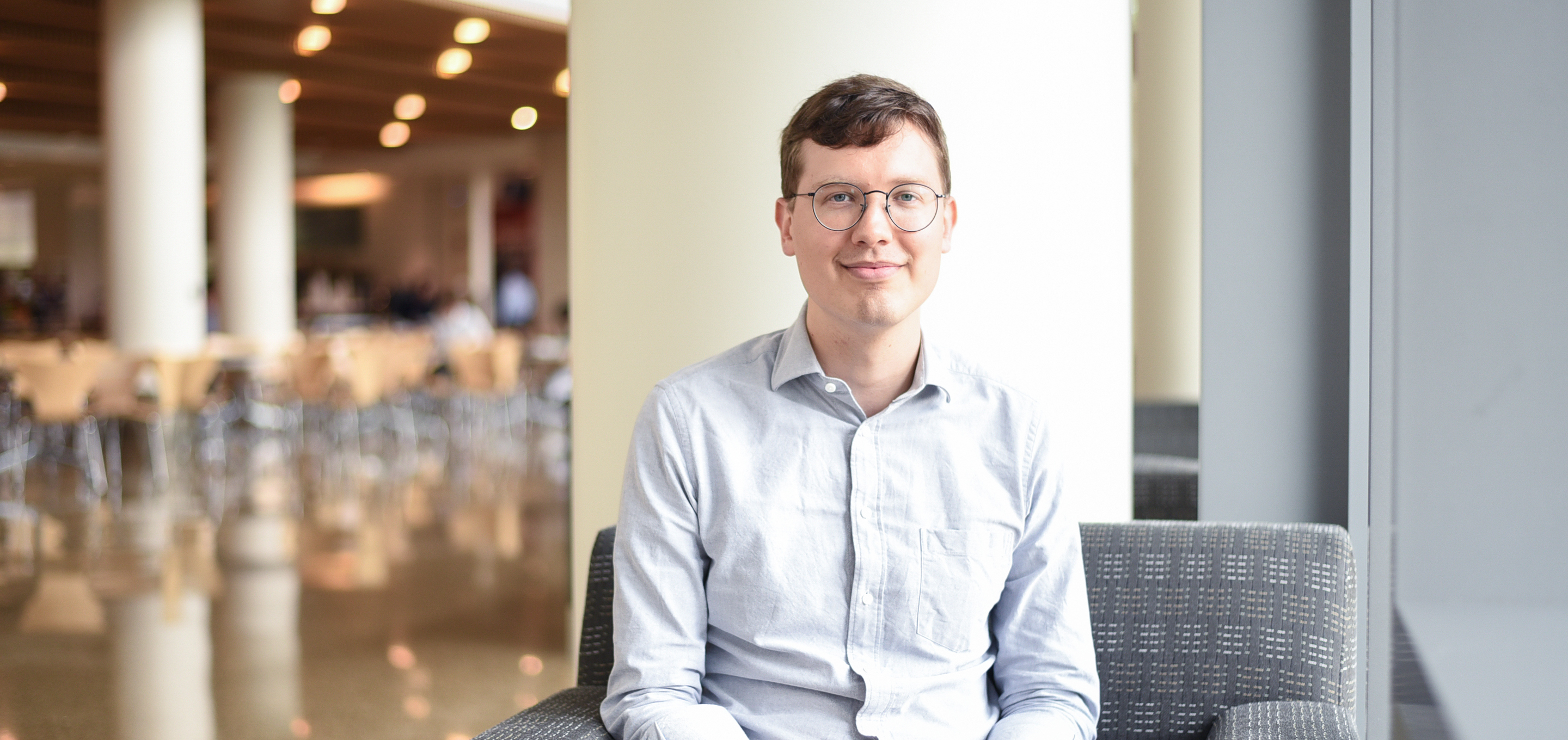
MIT Sloan Professor Nathan Wilmers is one of the winners of the LERA (Labor and Employment Relations Association) 2023 John T. Dunlop Scholar Award. This award recognizes outstanding academic research contributions that address industrial relations and employment problems of national significance, a...
MIT Sloan Adjunct Professor Mary P. Rowe, a pioneer in the organizational ombuds profession, has made many of the articles she has written over her career freely available on her personal webpages at MIT Sloan.
Invited guests attended a special event at the new MIT Museum location in Kendall Square in early December.
How can we increase contributions to public goods—to get donors to give more to charity, citizens to vote, households to consume less energy, drivers to carpool, and patients to take all of their antibiotics? One of the best ways is to make contributions more observable.
Perception of peer rank, or how we perform relative to our peers, can be a powerful motivator.
Social norms messaging campaigns are increasingly used to influence human behavior, with social science research generally finding that they have modest but meaningful effects.
The Fall 2022 edition of the newsletter of the MIT Institute for Work and Employment Research (IWER) is now available online.
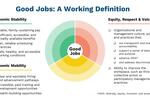
A number of faculty members from the MIT Institute for Work and Employment Research (IWER) have expressed their support for a new statement defining the attributes of a good job in today’s economy.
In a new paper in the Proceedings of the National Academy of Sciences, Clem Aeppli and MIT Sloan Associate Professor Nathan Wilmers find that a plateau in U.S. earnings inequality that started around 2012 was primarily due to rapid wage gains by workers at the low end of the labor market,