
New AI insights from MIT Sloan Management Review
MIT experts explain how generative AI — and AI generally — could transform enterprises this year, as well as how to set realistic environmental goals.
Addressing public goods problems typical requires people to adopt behaviors that are personally burdensome but beneficial for society.
This research has implications for tackling decision-making problems in the sharing economy.
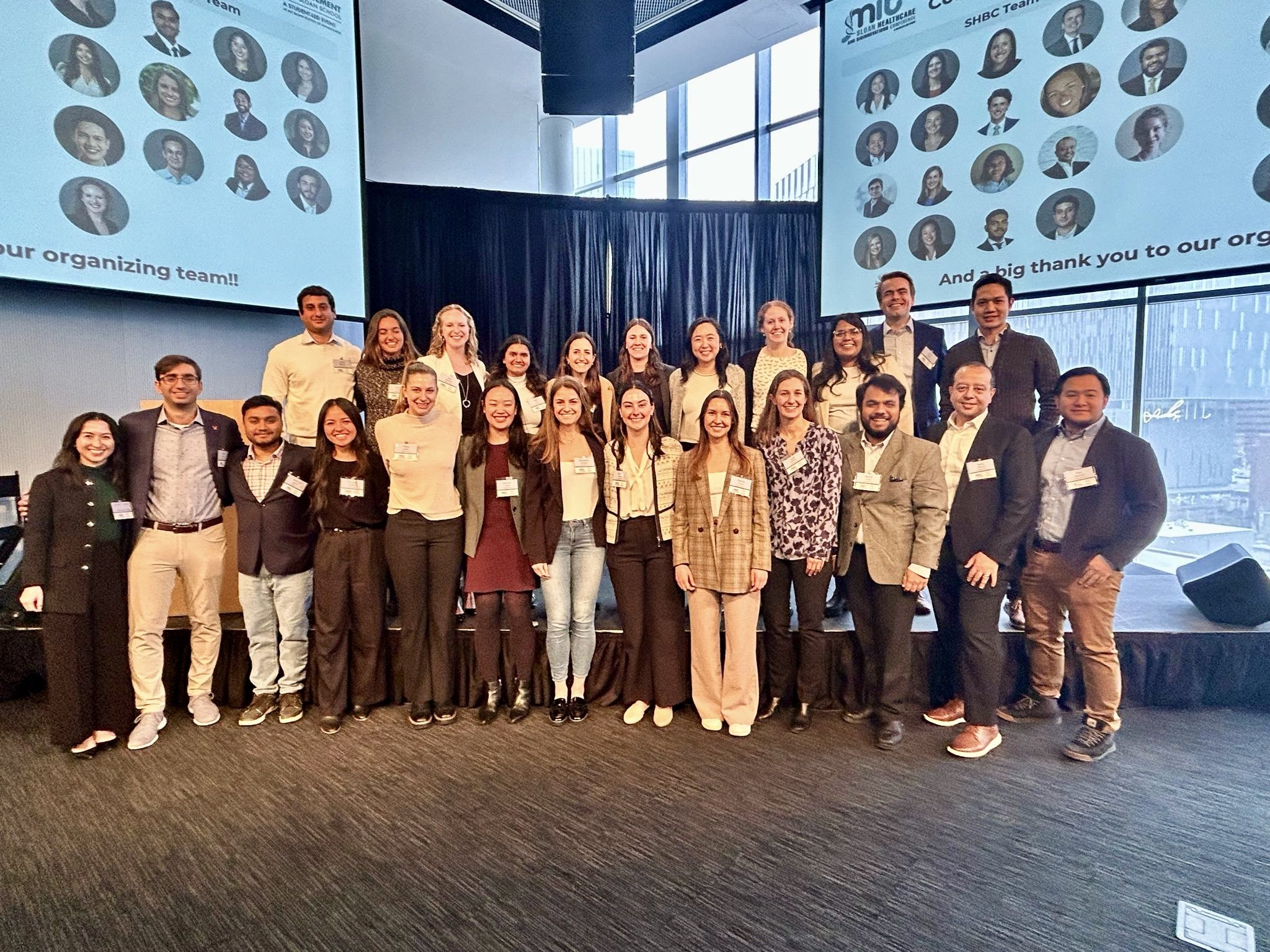
On February 23, 2024, The MIT Sloan Healthcare Club convened the 22nd annual MIT Sloan Healthcare and Bioinnovations Conference.
AI really can pay off. But leaders must take a systematic approach, understand how the technology works, and let their team leaders determine how it’s used.
Emilio J. Castilla wins award for best MIT SMR article on planned change and organizational development
Including examples from Mastercard, DuPont, and Wayfair.
The collaboration will focus on academic exchange, an innovative immersion program, and enhancing QUT’s entrepreneurship program with access to MIT’s global entrepreneurial networks.
The Food Supply Chain Analytics and Sensing (FSAS) Initiative is creating predictive analytical tools and technologies to improve the design and management of safe and reliable food supply chains
Leaders must rethink the way they manage people and projects to ensure that everyone reaps the efficiency and innovation benefits of generative AI.