
Behavioral science tools to strengthen energy & environmental policy
Getting people to adopt behaviors that increase energy conservation and reduce costs for the environment requires a multipronged approach.

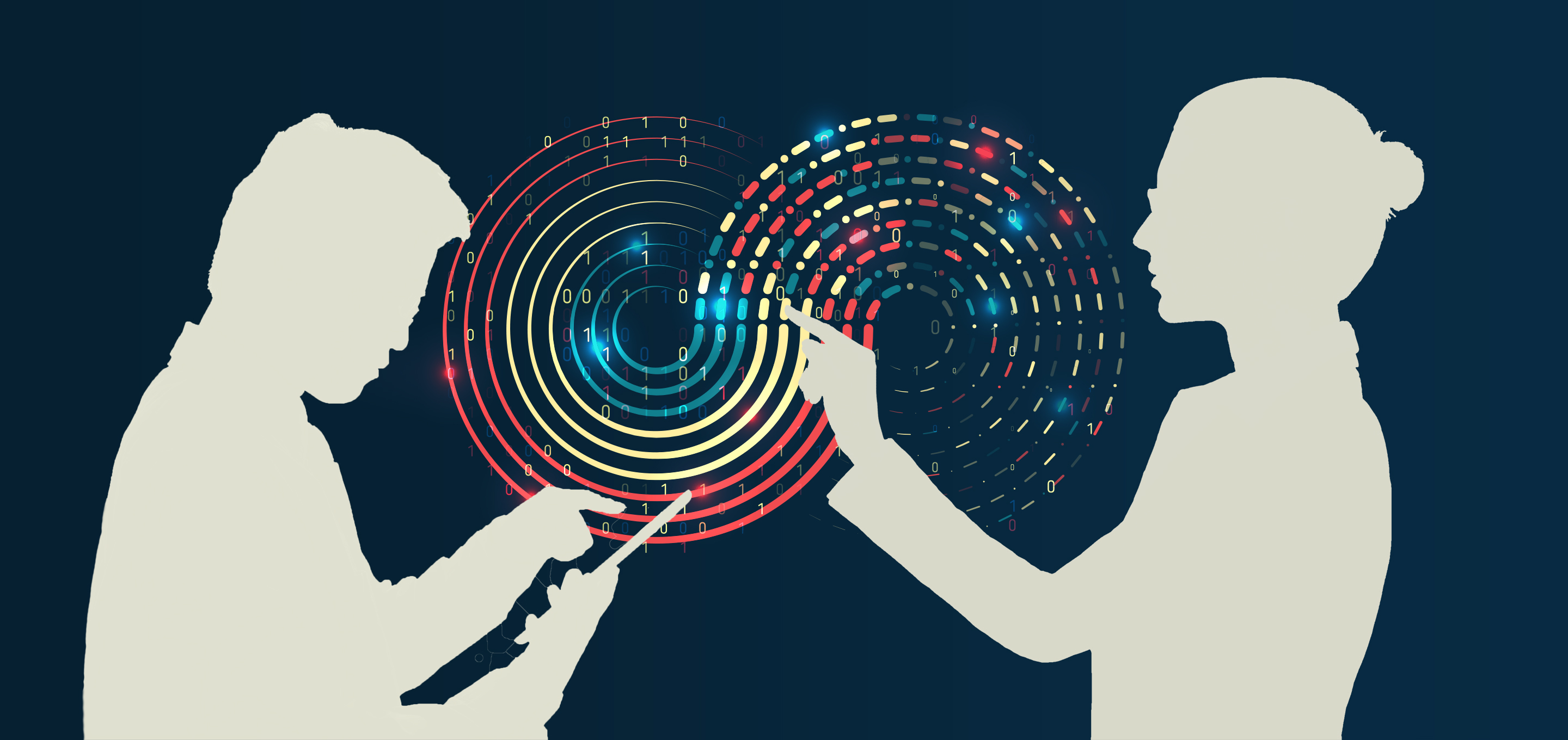
How can we increase contributions to public goods—to get donors to give more to charity, citizens to vote, households to consume less energy, drivers to carpool, and patients to take all of their antibiotics? One of the best ways is to make contributions more observable.
Social norms messaging campaigns are increasingly used to influence human behavior, with social science research generally finding that they have modest but meaningful effects.
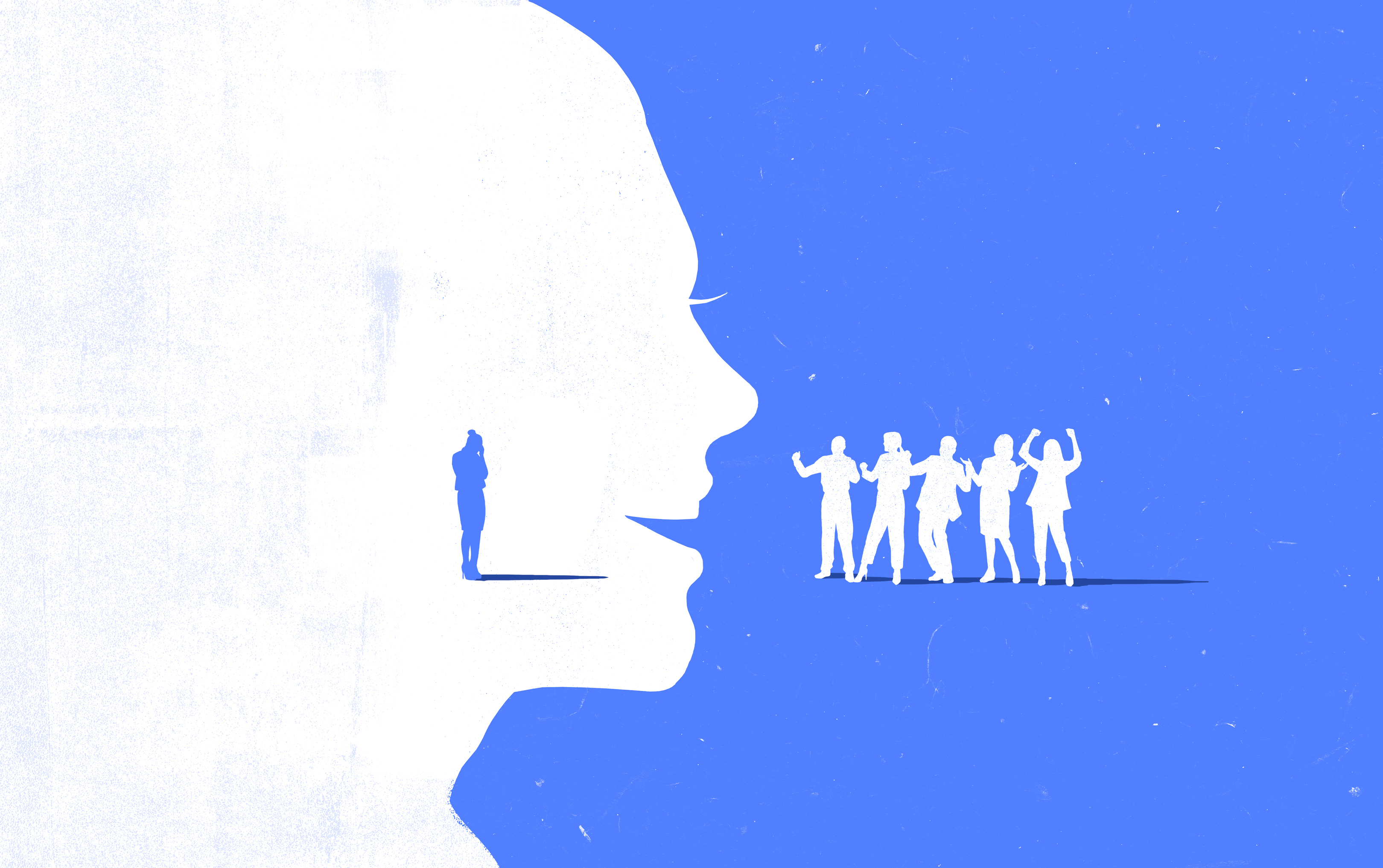
Perception of peer rank, or how we perform relative to our peers, can be a powerful motivator.
Three scholars from the MIT Institute for Work and Employment Research (IWER) have been interviewed on “The Work Goes On,” a podcast series hosted by Orley Ashenfelter, the Joseph Douglas Green 1895 Professor of Economics, Emeritus at Princeton University.
Income inequality has been increasing in the United States in recent decades, to a level higher than in a number of other comparable economies. But what’s driving that rise?
The 12th Consumer Neuroscience Satellite Symposium will be held at MIT's Samberg Conference Center, on Thursday October 2 from 11:30 AM to 7:00 PM.
The original MIT EMBA Action Learning lab, GO-Lab explores business challenges facing executive leaders of organizations which operate in multiple countries.
The blood testing startup's culture and claim set the stage for its demise.
Professor Ed Roberts joins Christopher Reichert, MOT ’04, on Sloanies Talking with Sloanies.