
MIT News | December 16, 2025
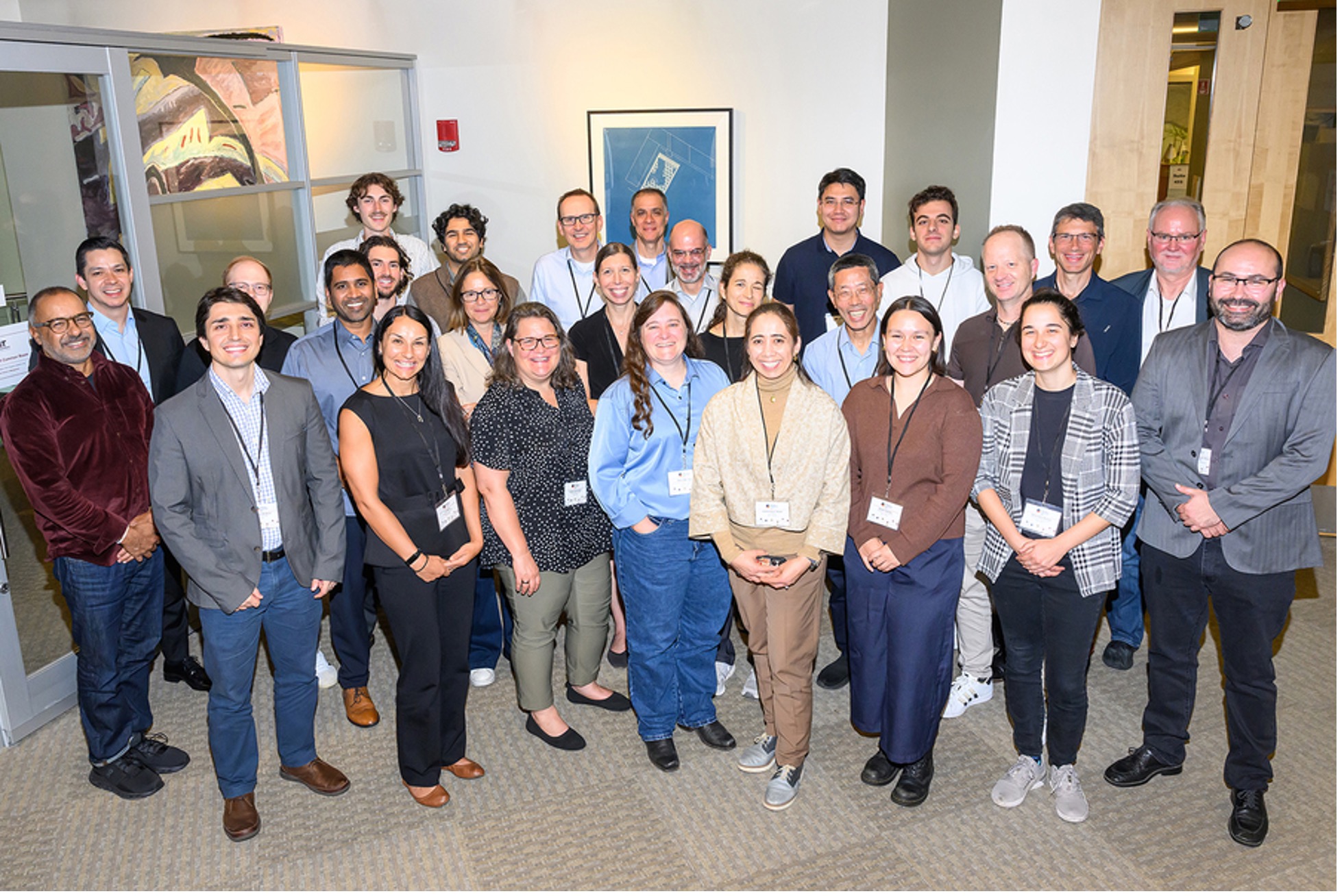
Introducing the Minerals Stewardship Consortium at MIT
The consortium convenes industry, academia, and policy leaders to navigate competing demands and reimagine materials supply.
The consortium convenes industry, academia, and policy leaders to navigate competing demands and reimagine materials supply.

Macro, a modeling tool developed by the MIT Energy Initiative, enables energy-system planners to explore options for developing infrastructure to support decarbonized, reliable, & low-cost power grids
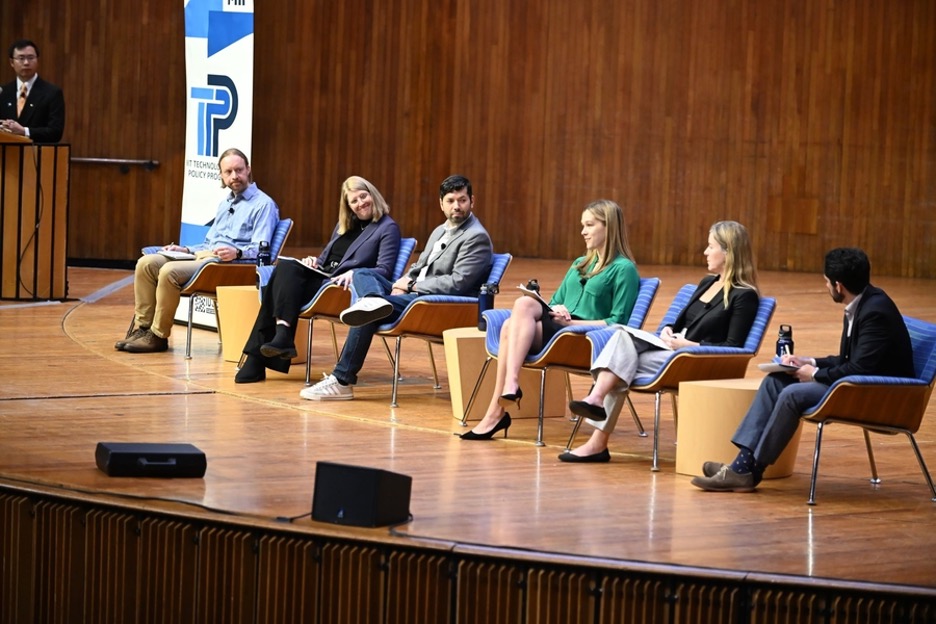
The MIT Technology and Policy Program marked 50 years with a symposium exploring its history of education, research, and impact — while looking ahead to technology policy issues of the future.

Lawmakers are weighing eliminating solar caps for municipal projects. MIT Professor Christopher R. Knittel weighs in.

Incoming students tested the climate simulation tool En-ROADS with the goal of creating “a healthier, safer, more prosperous, and more sustainable world.”

Schedule an in-person meeting with the MIT Executive MBA admissions team on campus.

A new study from our Faculty Director Christopher Knittel suggests flexibility in the timing of electricity consumption could lower consumer costs–but what about emissions?

Spotlighting MIT research on energy poverty through LIHEAP improvements, a new Minerals Stewardship Consortium, and the best way to expand the US electricity grid.

In a guest opinion for UK Finance, MIT CPP team member and Partnerships Manager at Climate Interactive, Katherine Markova, explains how En-ROADS can be used to help boards understand climate risk.
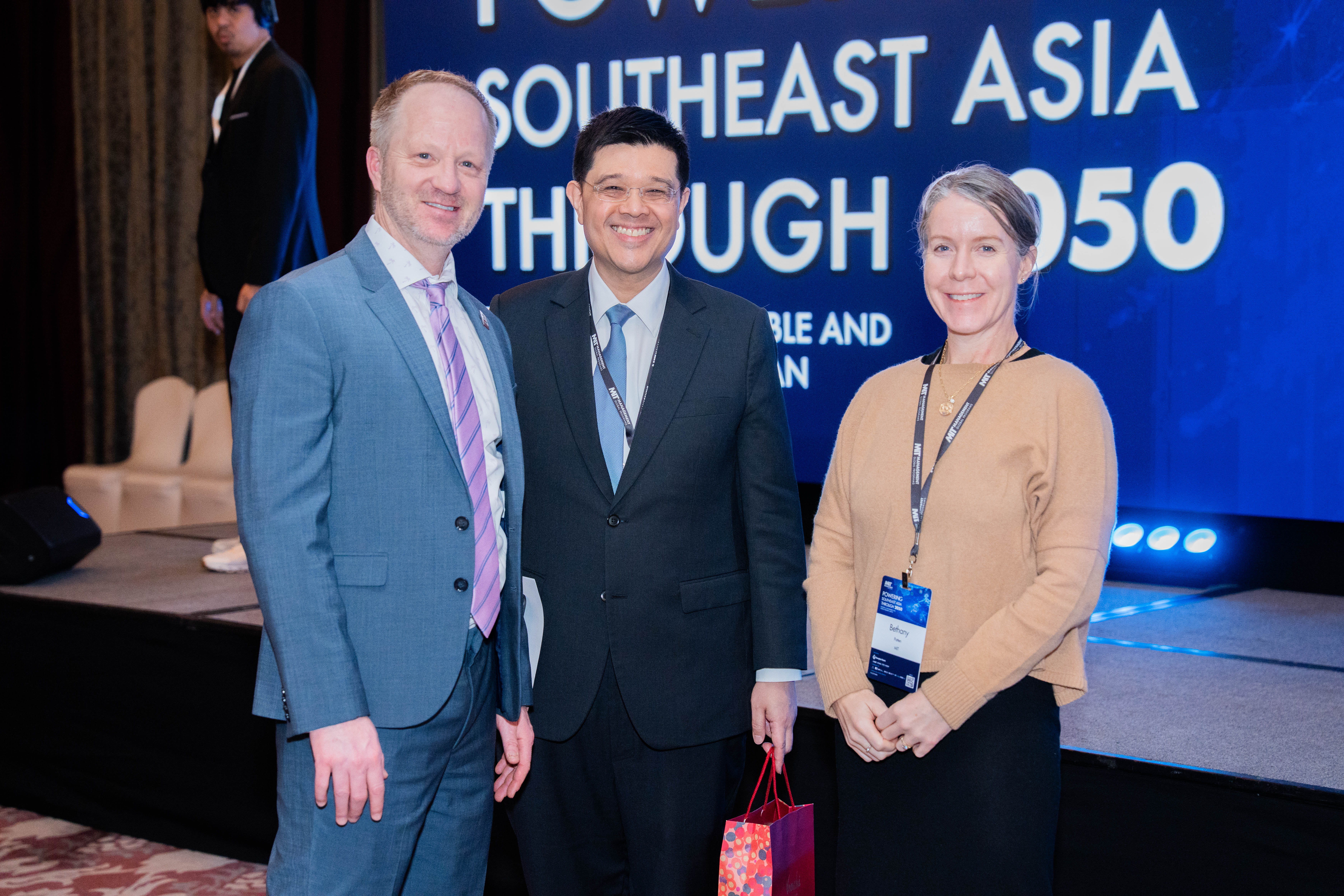
MIT CPC research on the existing, unequal costs of climate change as felt by U.S. households, Christopher Knittel's contributions to a NewDEAL report, and an energy and climate event in Bangkok.