
MIT Sloan Health Systems Initiative
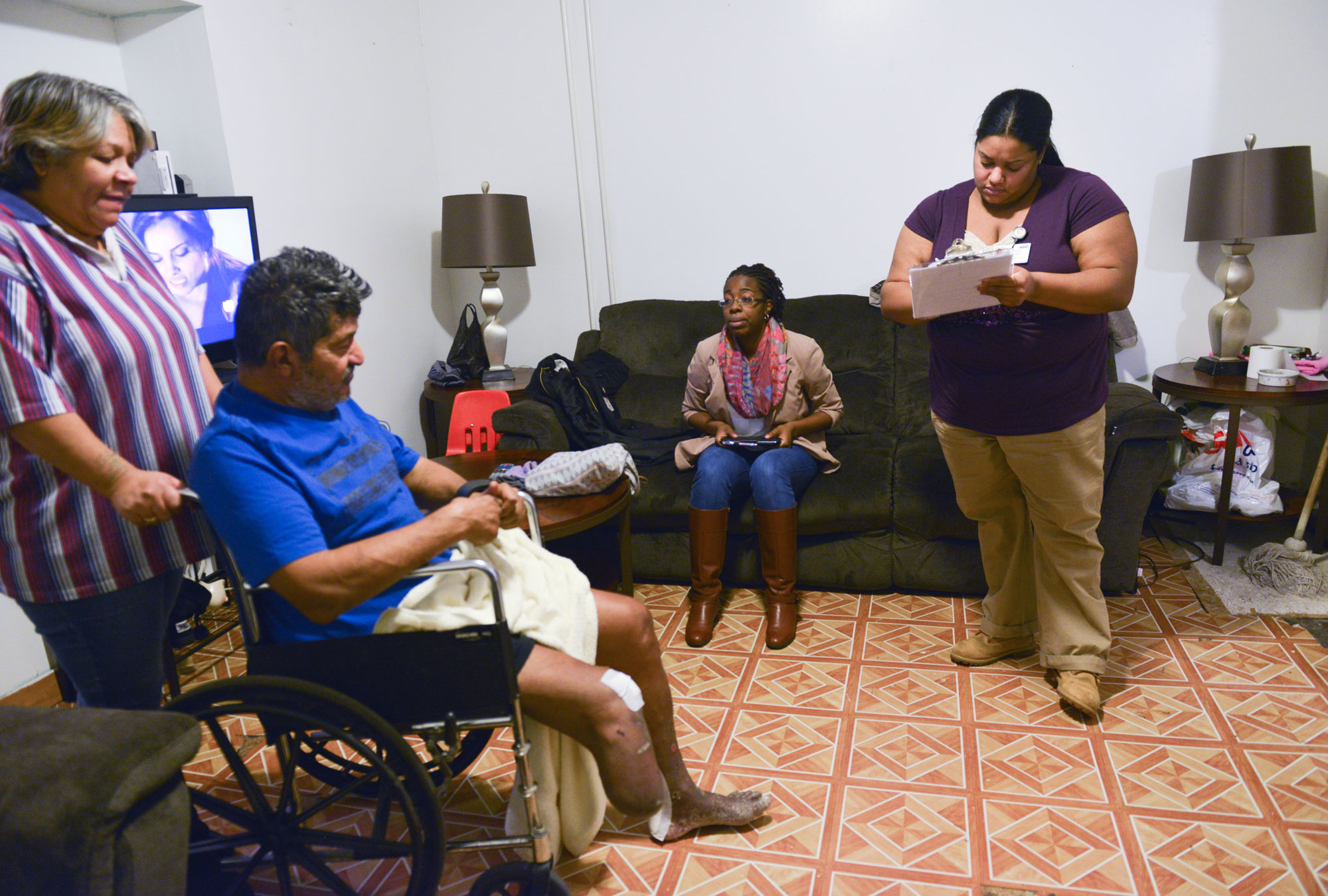
Doyle: Healthcare Hotspotting: A Randomized Controlled Trial
Rigorous Testing of Big Ideas: The Case of Healthcare Hotspotting. Researcher: Joseph Doyle
Rigorous Testing of Big Ideas: The Case of Healthcare Hotspotting. Researcher: Joseph Doyle

Addressing public goods problems typical requires people to adopt behaviors that are personally burdensome but beneficial for society.
Data-based algorithms are personalizing medicine.
The Camden (NJ) Coalition’s influential care management program—which targeted high-use, high-need patients —did not reduce hospital readmissions, but did improve intermediate care coordination
At Vezeeta, Amir Barsoum turns patients into consumers by giving them choice. He uses a three-bucket approach to prioritize ideas and reach his goal.

Vaccines are an especially risky proposition for pharmaceutical manufacturers since the costs are higher than for other types of drugs and demand could drop drastically once a crisis is over.

This convening introduced the HSI Lab on Employee Population Health

“Sparking the Data Revolution in Healthcare” series. The speaker, Teresa Zayas-Caban, PhD, Assistant Director for Policy Development at the National Library of Medicine (NLM).
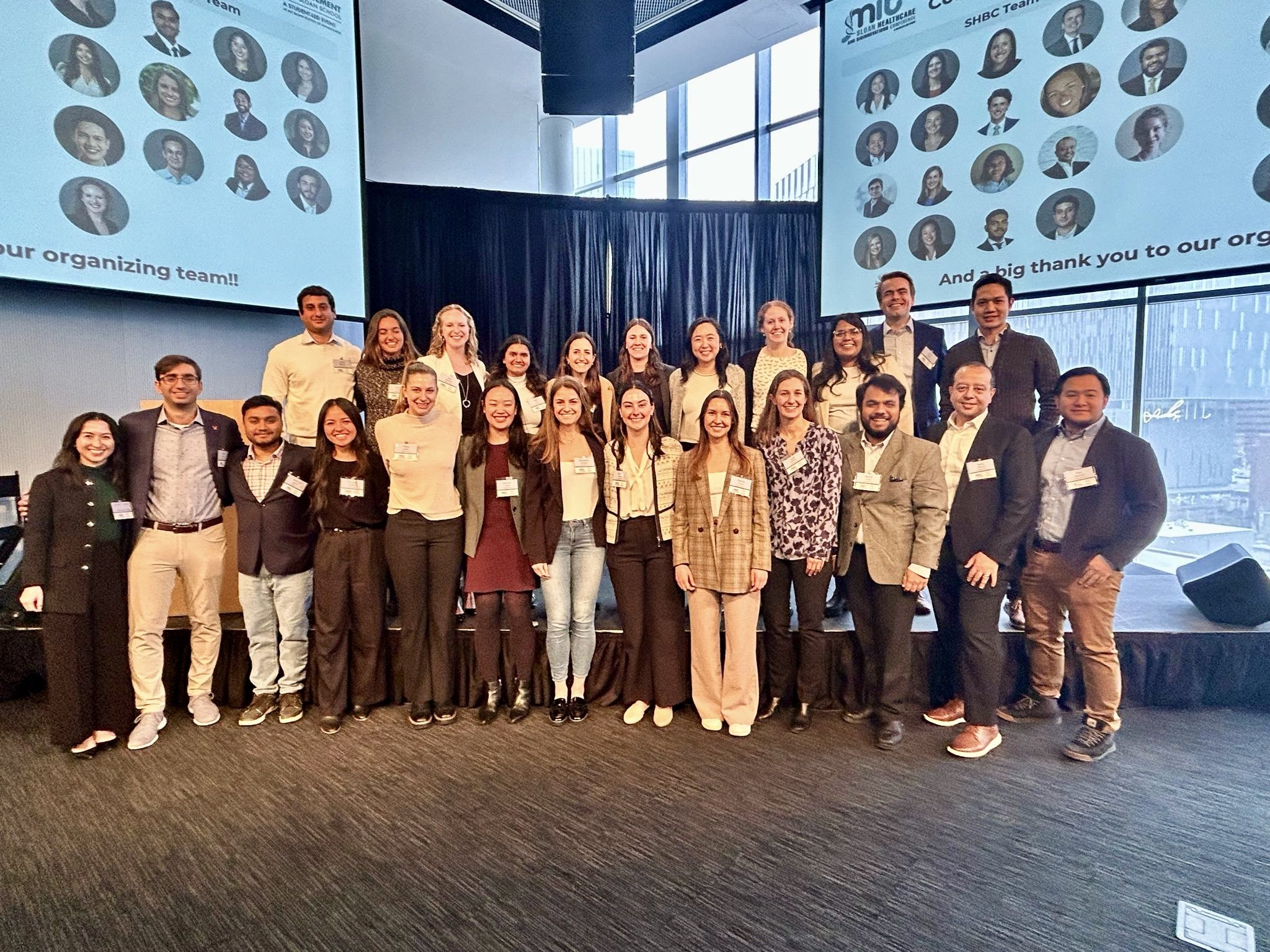
On February 23, 2024, The MIT Sloan Healthcare Club convened the 22nd annual MIT Sloan Healthcare and Bioinnovations Conference.

Food Supply Chains Health Risks