Alumnae Look to Deepen Connections at the 2025 MIT Women’s Conference
Hundreds of alumnae will convene in Boston on March 28 for the 2025 MIT Women’s Conference.
Gowri Kannan, MBA ’24, originally studied engineering and AI as an undergraduate — but she realized that she wanted to have greater influence on product creation and customer experience, and maybe even launch her own company someday. A hands-on MIT Sloan Action Learning project with a nascent startu...
In a recent paper, MIT Sloan’s Paul Osterman finds evidence that companies have choices about the wages they pay, and that some companies can be successful through “High Road” employment practices that result in better-quality jobs. But it's not at all clear, he concludes, that such High Road employ...
In an effort to attract a diverse pool of talented candidates, many contemporary U.S. employers seek to craft gender-neutral job postings by editing language in the postings that may have masculine or feminine connotations. But how much difference do such practices make in reality? Not that much, su...
MIT GCFP Pop-Up Panel on May 13, 2025
The MIT Golub Center for Finance and Policy is pleased to announce the appointment of Peter R. Fisher as our Distinguished Senior Fellow for the 2025-2026 academic year. The former Undersecretary of the U.S. Treasury and BlackRock executive will teach a finance course at MIT Sloan and will contribut...
New research by MIT Sloan Professor Paul Osterman finds more than one in ten U.S. workers are contract employees—and that they earn less on average than comparable employees in standard jobs and receive less company-provided training.
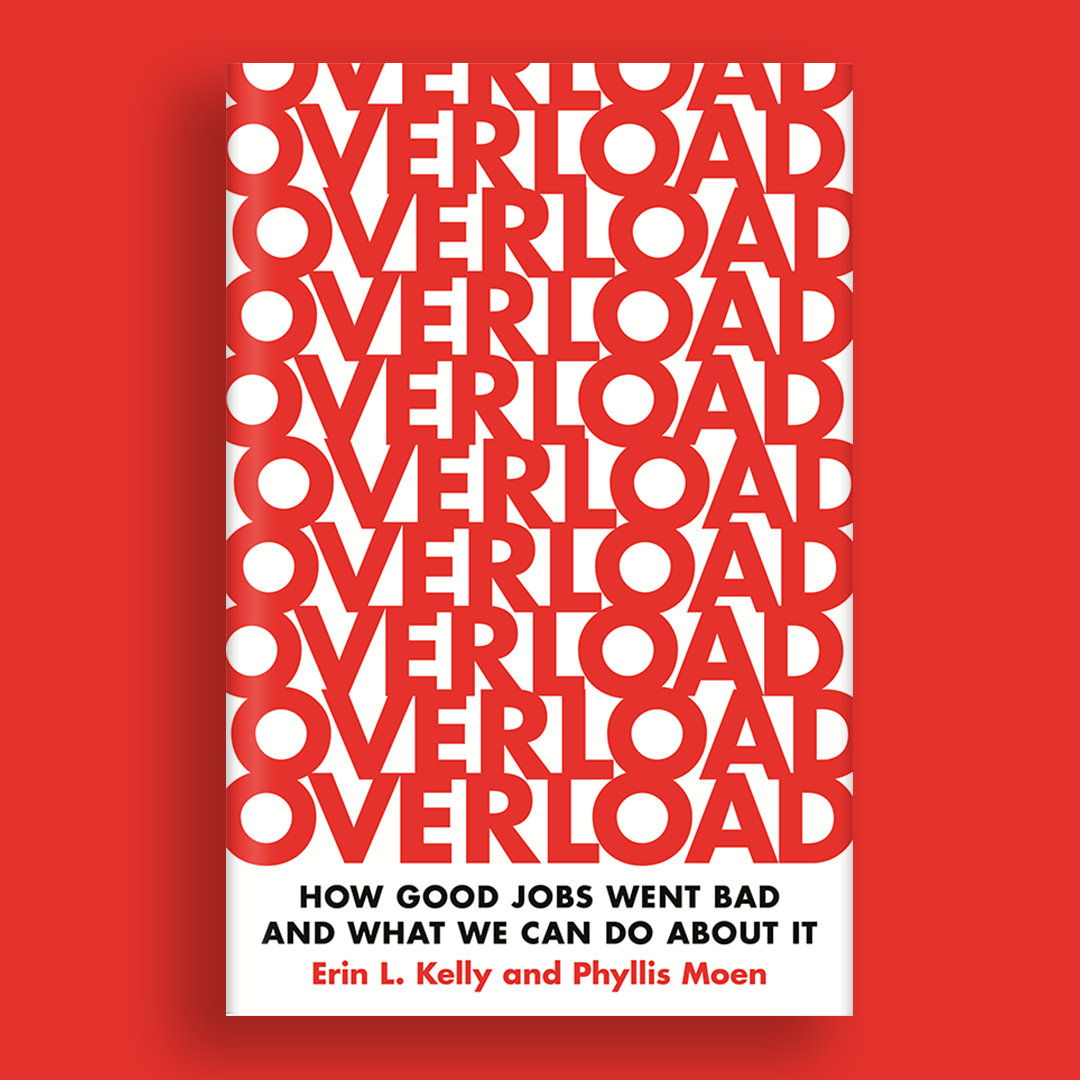
The book "Overload: How Good Jobs Went Bad and What We Can Do About It" by MIT Sloan Professor Erin L. Kelly and University of Minnesota Professor Phyllis Moen is one of two winners of the 2021 Max Weber Award for Distinguished Scholarship.
With his non-profit Browning the Greenspace, Kerry Bowie (MBA '06) is building a coalition of leaders to diversify the green space.
Imagine diagnosing a disease before symptoms begin. Or diagnosing cancer without a biopsy. The proteins in our blood could be the key to making these things possible.