
Ideas Made to Matter
6 questions to guide your AI strategy
Few AI pilots scale successfully. Asking key questions about goals, governance, and culture can help them thrive.
Aug 3, 2026

Faculty

George Westerman is a Senior Lecturer at the MIT Sloan School of Management and Founder of the Global Opportunity Forum.
George’s work bridges the fields of executive leadership and technology strategy. During more than 20 years with MIT Sloan School of Management, he has written three award-winning books, including Leading Digital: Turning Technology Into Business Transformation. As a pioneering researcher on digital transformation, George has published papers in Harvard Business Review, Sloan Management Review, and other top journals. He is now focused on helping employers, educators, and other groups to rethink the process of workforce learning around the world through the GOI and several research collaborations.
George is cochair of the MIT Sloan CIO Leadership Awards, a member of the Digital Strategy Roundtable for the US Library of Congress, and learning strategy advisor to the World Health Organization Academy. He works frequently with senior management teams and industry groups around the world. Prior to earning a Doctorate from Harvard Business School, he gained more than 13 years of experience in product development and technology leadership roles.
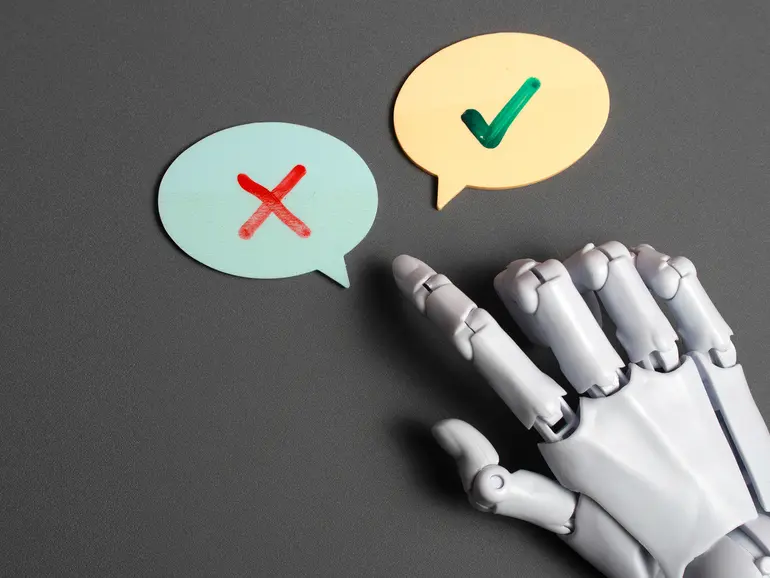
Few AI pilots scale successfully. Asking key questions about goals, governance, and culture can help them thrive.
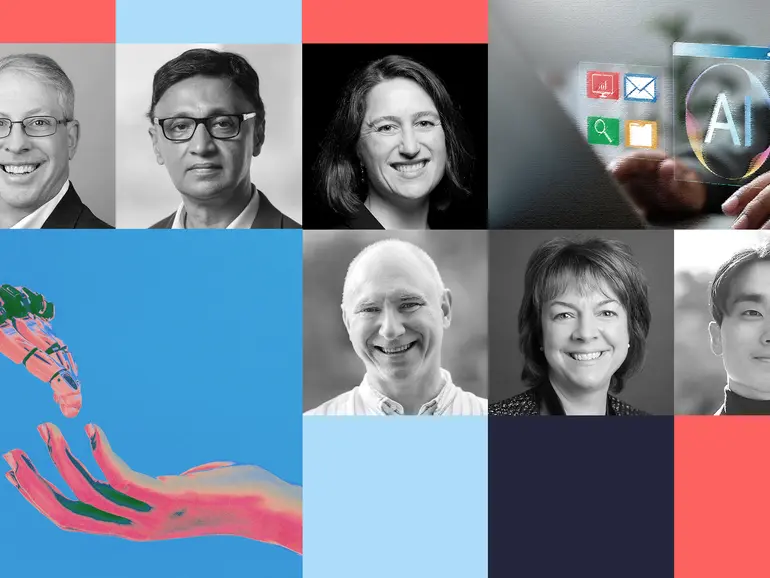
Experts in artificial intelligence from MIT Sloan are keeping an eye on the human-LLM accuracy gap, AI guardrails, and other trends.
"AI has made it more important for the CIO to be able to exercise influence and give advice," said principal research scientist George Westerman. "Now you have a major technology that every C-suite person is wondering about and feels they need to use, and, given its transformative nature throughout the organization, this is where the skills of a CIO who is a strategic partner can be really useful."
At the Universo TOTVS 2026 event in São Paulo, senior lecturer George Westerman gave an interview to CNN Cast to discuss how artificial intelligence is affecting the corporate world and the job market. "AI doesn't produce value in companies on its own," he said. According to him, what AI does is enable businesses to operate differently — and that's the truly critical part of the transformation.
Those at the top of the organization, senior lecturer George Westerman said, are concerned about the costs associated with AI. At the bottom, people are just wondering if they'll lose their job and how they'll adapt. He described it as decision-making inertia at the top of the organization versus adoption inertia farther down. The challenge is moving both along and bridging the gap. "Helping to create the case for change and helping people feel that they can be part of that change. That's becoming even more critical this time around," he said.
Social media platforms are saturated with career content but more advice hasn't made career decisions easier; it's made them more overwhelming. According to an article by principal research scientist George Westerman and Abbie Lundberg, editor in chief of MIT Sloan Management Review, 67% of individual contributors surveyed said they want to advance their career, but 49% said a lack of good career advice has hurt their job trajectory.