Climate Change
Is green energy raising your electric bill? Or state policies? It’s complicated.
A new MIT Sloan School of Management research study finds that over 25 years, while large-scale renewables lower residential electricity prices, inefficient state electric rate structures can increase rooftop solar costs for non-solar households.
Key MIT Sloan Findings:
- State Renewable Portfolio Standards mandates have zero impact on residential energy prices, utility-scale renewables are actually associated with lower retail rates.
- While utility-scale solar production tends to lower consumer costs, rooftop solar can counterintuitively raise them — at least for households without their own solar panels.
- Some states have policies that can lead to “regressive” outcomes that make energy more expensive for the households that can least afford it.
- Three things to prioritize fair decarbonization: Prioritize utility-scale generation, invest in infrastructure, and implement equitable cost-recovery strategies.
Featured Experts

CAMBRIDGE, Mass., March 9, 2026 – In the last year, energy costs rose at triple the rate of overall inflation, the latest spike in a decades-long trend that has seen utility bills consistently outpace the cost of living. Some policymakers blame renewable energy mandates for the surge, while others emphasize that investment in renewables creates cheaper electricity because of its low production costs — but new research from the MIT Center for Energy and Environmental Policy Research (CEEPR) suggests that the truth is more complicated.
MIT Sloan professor Christopher R. Knittel and graduate researcher Fischer J. Espiritu Argosino address this issue in a new working paper, “Renewables and Electricity Affordability: Untangling Correlation from Causation,” where they analyze 25 years of U.S. electricity and utility spending data. They find that while utility-scale wind and solar are robustly linked to lower residential prices, rooftop solar is significantly correlated with higher prices.
Savings at Scale
The study, based on data from 1998 through 2023, examines residential prices, state power generation mixes, utility spending, and state Renewable Portfolio Standards (RPS) — mandates requiring a portion of energy to come from green sources. While RPSs have often been blamed for higher prices due to the cost of compliance, the researchers’ analysis tells a different story.
“We find that RPS mandates have virtually zero impact on prices, and utility-scale renewables are actually associated with lower retail rates," said Knittel, the George P. Shultz Professor and Associate Dean for Climate and Sustainability at MIT Sloan, and faculty director of the MIT Climate Policy Center. "Energy generated by large-scale solar plants, for example, comes with lower transmission, distribution, and maintenance costs for utilities, and these efficiencies can be passed on to the consumer.”
The surprising cost of rooftop solar
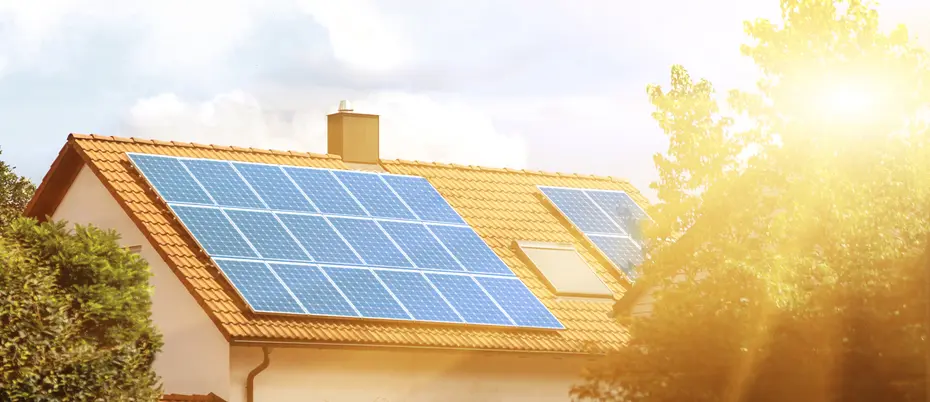
While utility-scale solar production tends to lower consumer costs, rooftop solar can counterintuitively raise them — at least for households without their own solar panels.
That’s because most U.S. distribution networks were built as a "one-way" street: power moves from a central plant to the home. Rooftop solar turns this into a "two-way" street, forcing electricity to flow backward into a system that wasn’t designed for it. The analysis found that this bidirectional flow is strongly correlated with higher operations and maintenance costs. Utilities must spend more to manage the technical complexity of harmonizing thousands of decentralized generators with an aging grid.
"Our antiquated distribution networks are struggling to manage these flows," said Argosino. "When we defer essential grid upgrades while simultaneously incentivizing rooftop exports, we create an operational strain that inevitably shows up as higher costs on everyone’s utility bills."
Regressive electric rate structures drive unequal impacts for residents
In addition to increasing the grid’s operational costs, a utility’s approach to cost recovery can easily lead to “regressive” outcomes that make energy more expensive for the households that can least afford it.
In some states, like Massachusetts, grid maintenance costs are recovered almost entirely through usage-based charges. When solar panel owners feed more power into the grid than they consume, they owe the utility nothing, even though they still rely on its poles and wires. This shifts the burden for infrastructure maintenance onto fewer households. Because solar adopters tend to be wealthier, this system effectively forces low- and moderate-income households to subsidize the grid use of their wealthier neighbors.
In other states, like New Hampshire, higher fixed utility charges allow solar panel owners to save money on their usage while paying their fair share for infrastructure operations and maintenance.
A roadmap for fair decarbonization
Ultimately, Knittel and Argosino argue that green energy and affordable utilities are not at odds, but that policy needs to catch up to technology. They suggest three key steps forward to reduce energy costs and make them more equitable, while supporting sustainability:
- Prioritize utility-scale generation: Focus on large-scale solar and wind power projects to capture economies of scale while putting less pressure on the grid.
- Invest in infrastructure: Modernize aging distribution networks to better integrate low-cost renewables.
- Implement equitable cost-recovery strategies: Adjust fee structures so that all households contribute to infrastructure maintenance costs.
"High electricity bills aren't an inevitable side effect of going green; they are the result of outdated policy choices,” said Knittel. “If we prioritize large-scale renewables and reform how we recover grid costs, we can move toward sustainability without placing an unfair financial burden on the average American household.”
About the MIT Sloan School of Management
The MIT Sloan School of Management is where smart, independent leaders come together to solve problems, create new organizations, and improve the world. Learn more at mitsloan.mit.edu.