
Alumni
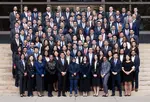
MIT Sloan Reunion 2026: What to Expect
MIT Sloan Reunion provides alumni the opportunity to reconnect with one another and get back into the classroom.
Apr 28, 2026
MIT Sloan Reunion provides alumni the opportunity to reconnect with one another and get back into the classroom.
“You cannot drill oil from home.” The quip from Monday Okoro, SF ’07, vice president of Schlumberger Production Management, sums up the complexity of the issues facing companies like his whose operations require the physical presence of a vast workforce.
Alumni from around the globe weigh in on the new realities facing entrepreneurs in the post-pandemic world.
The MIT Climate Policy Center is a coauthor of a new United Nations policy brief providing advice and recommendations about technologies available to reduce greenhouse gas emissions and improve climate resilience in the buildings sector, as well as the public policies that can accelerate deployment ...
MIT Sloan Professor Emeritus Thomas Kochan has published an op-ed in a November 2024 ballot question in Massachusetts
In late January, Brazil launched the RendA+ treasury bond instrument, a new retirement security adapted from the work of School of Management Distinguished Professor of Finance and Nobel Prize in Economics laureate Robert C. Merton, PhD ’70, and Arun Muralidhar, PhD ’92.
Last month, Richard M. Locke, PhD ’89, (John C Head III Dean at the MIT Sloan School of Management) sat for a virtual fireside chat with alumni.
Through the program’s beloved #FellowFridays tradition, members of the community share their stories, aspirations, and motivations for taking a transformative year at MIT. From entrepreneurship and innovation to leadership development and global impact, these reflections reveal what makes the MIT SF...
Porsche, the iconic German automobile manufacturer known for its high-performance sports cars, has a rich history that dates back to 1931 having been started originally as an engineering office. Almost 50 years ago, the company’s Porsche 928 revolutionized suspension technology—with the legendary We...
New research finds that when U.S. companies switched away from standardized pay rates for blue-collar jobs in the late 1970s and 1980s, workers’ real wages declined.