
The rise of the union-curious worker, and how to win them over
In the U.S., front-line workers’ attitudes toward unions are softening, especially among people under 30. Here’s what they want from their workplaces.
When software developers were given access to an AI coding tool, productivity increased — particularly among newer hires and more junior employees.
Slack CEO Denise Dresser lists five types of AI users you need to know in your organization and offers guidance on how to engage them.
When enterprises address opportunities or threats immediately, they perform better. A new research briefing looks at the traits such companies share.
Introducing “targeted friction” into AI workflows can improve overall accuracy and reduce uncritical adoption.
New books this year include a retirement how-to, the reissue of a classic entrepreneurship guide, and a look back at the California energy crisis.
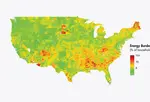
The LIHEAP formula for calculating energy aid was written in the 1980s. Researchers propose a solution that recognizes the cost of cooling a warming south.
Leaders from Google, ING, and Capital One advise avoiding the “gold rush mentality” around artificial intelligence and following these six steps instead.
From liquid green fuels to air-cooled nuclear batteries, here are new technologies that aim to reduce carbon emissions and transform heavy industry.
The AI Risk Repository, a database of over 700 risks posed by AI, aims to provide a shared framework for monitoring and maintaining AI risk oversight.