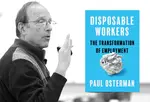
The Rise of the “Disposable” American Worker
The transformation of employment has left roughly one-third of the U.S. workforce without job security, according to a new book by MIT Sloan School of Management professor Paul Osterman.
Their new study aims to give budding industry a framework for understanding how fusion can be profitable.
MIT Sloan’s Paul Osterman argues that the rise in gig workers, freelancers, contractors, adjuncts, and other contingent workers carries long-term implications for the future of work.
The first-of-its-kind platform combines an evidence-based framework with cutting-edge AI technology to guide students through real-world entrepreneurship concepts.
The rising energy demands of AI and data centers threaten corporate net zero commitments and worsen climate change. But can AI also help develop climate solutions? MIT Sloan researchers investigate.
Enterprises must address complex ethical issues surrounding AI or risk exposure to myriad financial, legal, and reputational risks. Here’s a framework to protect your organization.
MIT Sloan’s Andrew McAfee said the future of tech-driven companies is young firms on the West Coast — and that Europe will continue to fall behind.
Even on a small scall, the opportunity to trade energy stocks can boost financial literacy and motivate people to learn more about climate change, MIT Sloan research finds.
New research from MIT Sloan School of Management finds that financial incentives can motivate learning and support for climate mitigation policies
MIT Sloan’s Bill Aulet and Jenny Larios Berlin explore how founders can combine artificial intelligence with the principles of Disciplined Entrepreneurship to move from concept to market more quickly.