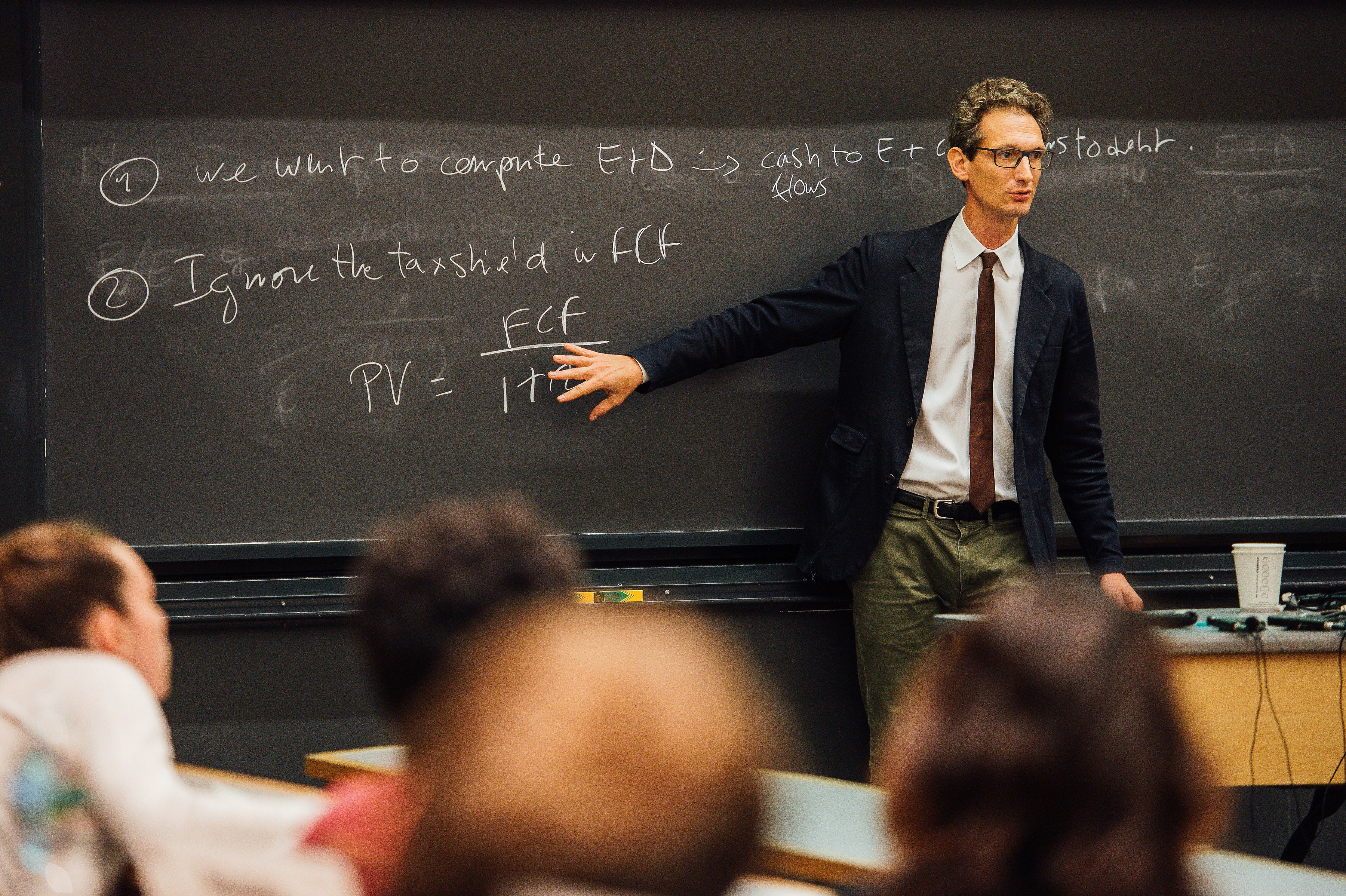
What is algorithmic business thinking?
Borrowing from computer science, algorithmic business thinking helps people communicate with each other, and with machines.
Supply chain guru Yossi Sheffi identifies post-COVID-19 trends, including blockchain, robotic process automation, IoT, dark stores, and “China plus one.”
As the executive director of an incubator that develops youth and adult programs at the National University of Singapore (NUS), Ye-Her Wu, SF ’14, has had a sweeping vantage point on how the pandemic has accelerated change for students, staff, and faculty.
In Japan, where workplace practices have been rooted in generations of tradition, pandemic-driven changes feel tectonic. But some of them are welcome and long overdue, says Shihoko Kato, SFMBA ’19, director of the global business office at Japanese telecom giant NTT in Tokyo.
MIT HSI Annual Meeting 2025: “Behavior, Incentives, and AI: New Frontiers in Employee Population Health”
Here’s how business leaders can attract and retain a diverse and inclusive workforce while helping local economies prosper.
MIT Sloan Professors Emilio J. Castilla and Erin L. Kelly are the new Co-Directors of the MIT Institute for Work and Employment Research (IWER). Castilla and Kelly describe the transition at IWER and their plans for the future in the following note.
If you ask Rocio Fonseca, SF ’14 , how she is tackling the present crisis, don’t be surprised if she retorts, “Which one?”
At MIT Sloan, we strive to attract the world’s best talent. And we believe that talent can come from anywhere.
She harnessed adversity and doubt to propel herself forward.