
Why there is no long-term tradeoff between lives and livelihoods in the pandemic
This counter-intuitive result emerges because countries actually have little choice in how much they must reduce contact levels to control the epidemic.
Adam's (MBA '09) tech-enabled resale service empowers brands & retailers to establish their own resale platforms.
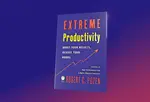
Senior Lecturer Robert Pozen is auctioning off a non-fungible token (NFT) related to his book "Extreme Productivity" that includes a 3D NFT of a new cover and preface plus an hour of free consulting.
The difference...is mostly due to portfolio allocations. Larger endowments invest in riskier and higher-yielding assets compared to more conservative investments by smaller endowments.
And why its CEO used to work as a baggage handler.
And what SPACE10 teaches us about innovation.
In new policy briefs, MIT researchers outline how to regulate large language models, label AI-generated content, and pursue “pro-worker AI.”
“The Meritocracy Paradox” offers frameworks to help organizations make people-management decisions based on data and evidence rather than intuition.
MIT Sloan's Initiative for Health Systems Innovation (HSI) is holding a Health Systems Innovation Conference on Oct. 21, 2016 to advance health management and delivery.
The Designing for Health: Leveraging Analytics for a Proactive Health System Conference will focus on using technology innovations to benefit all health system participants.