
‘Energy poverty’ hits US residents more in the South and Southwest
The LIHEAP formula for calculating energy aid was written in the 1980s. Researchers propose a solution that recognizes the cost of cooling a warming south.
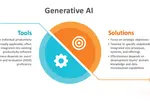
A new MIT CISR research briefing examines data, analytics, and technology executives’ early GenAI experiments and the challenges for implementations of GenAI tools and GenAI solutions.
A Republican sweep could reverse the Biden administration’s signature 2022 climate law. MIT Sloan economist Catherine Wolfram analyzes four potential outcomes.
A paper in Nature suggests that the higher quantity of social media policy enforcement for conservative users could be explained by the higher quantity of misinformation shared by those users.
Large enterprises don’t have to move slowly. Here are three ways to unlock fresh innovation.
In leading teams for Walmart, DoorDash, and CVS, Astha Purohit values a strong sense of ownership, shared purpose, and trust among collaborators.
The artificial intelligence-powered “DebunkBot” reduced individuals’ belief in conspiracy theories and lessened their conspiratorial mindset, according to a new study.
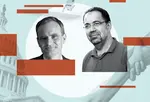
MIT economists Daron Acemoglu and Simon Johnson say good jobs and the equitable deployment of technology can help restore people’s faith in democratic institutions.
The Zahn Innovation Center at The City College of New York is working with the MIT Sloan and the Martin Trust Center to deliver a new Artificial Intelligence and Entrepreneurship Certificate.
Institute professor Daron Acemoglu and MIT Sloan professor Simon Johnson have examined economic growth, digital advertising, and the Russian oil cap.