
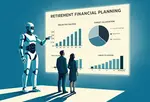
How to use ChatGPT to plan your retirement
MIT Sloan professor Andrew Lo says Al is good at explaining trade-offs and exploring scenarios but weak at precise tax optimization, math, and regulatory compliance.
Data regulation doesn’t necessarily cause economic harm. Markets — and consumers — can still derive economic benefits from data collection when it’s tempered by reasonable privacy guardrails.
Artificial intelligence can boost the systematic innovation of products, processes, and services. MIT Sloan professor Steven Eppinger offers four steps for making that happen.
New research from MIT Sloan School of Management examines how the integration of mobile touchpoints with existing technologies impacts the efficiency and equity of non-emergency complaints for cities
California would save billions of dollars while meeting climate goals, according to new MIT Sloan research
A collaboration between MIT Sloan, Boston Children’s Hospital, Columbia University, and the N=1 Collaborative is focusing on how to make gene and cell therapy more affordable and accessible.
New MIT Sloan research offers a framework of human-intensive capabilities and a set of metrics to evaluate tasks across all occupations and better understand the effects of AI on the labor market.
An AI productivity boom is coming. Here’s what managers need to know to roll out intelligent technology that’s ethical and worker-centric.
New research shows that people are more likely to trust complicated machine learning models over models that they’re able to understand and troubleshoot.
Generative AI can boost highly skilled worker productivity, if organizations establish a culture of accountability and encourage role reconfiguration.