
To fix a toxic work culture, empower bystanders
Allowing toxic behavior free reign in your organization sets unwanted norms. With training, workers on the front line can help break that cycle.
MIT Sloan research findings suggest that identity cues cause people to vote according to content producers’ reputations, production history, and reciprocal votes with content viewers.
The author of “Black Software” on how to engage race, ask different questions, and avoid making people the problem.
MIT Sloan doctoral candidate Alex Kowalski is researching practical ways to improve warehouse jobs.
Business design researcher Jeanne Ross breaks down why some companies succeed — and many others fail — in their quest for digital transformation.
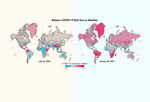
Research finds temperatures above 77 degrees Fahrenheit impede transmission of COVID-19, but not enough to quell the epidemic without other measures.
The Indiana Department of Child Services used job simulations to cut staff turnover by 31% and lay the foundation for a data-centric transformation.
A workshop taught by two MIT Sloan experts explores race and gender in sports, drawing insights for diversity efforts in business management.
On her path from Wall Street to environmental nonprofit, Jessica Toth learned the importance of professional collaborations in personal development.
Prof. Dimitris Bertsimas and nearly two dozen doctoral students are using machine learning and optimization to find answers and generating accurate real-time insight into the pandemic.