
How to manage two types of generative AI
Businesses have identified two types of generative AI: broadly applicable tools that boost personal productivity, and tailored solutions for specific purposes.
Dimitris Bertsimas and Nikolaos Trichakis modeled a points-based framework called continuous distribution (CD) based on AI and machine learning to aid in allocating lung transplants.
MIT Sloan research findings suggest that identity cues cause people to vote according to content producers’ reputations, production history, and reciprocal votes with content viewers.
Hiring, retention, and talent development are no longer the sole responsibility of human resources. It’s every manager’s job to develop their people.
A new study finds immigrants are more likely to start a company than their U.S.-born counterparts.
How safe is flying during the COVID-19 pandemic? A study shows the risk of getting sick on a flight is higher when all seats are filled.
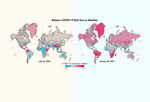
Research finds temperatures above 77 degrees Fahrenheit impede transmission of COVID-19, but not enough to quell the epidemic without other measures.
Three steps to finding use cases for large language models: Break down workflows into tasks, consider all costs associated with automation, and launch pilots.
A Republican sweep could reverse the Biden administration’s signature 2022 climate law. MIT Sloan economist Catherine Wolfram analyzes four potential outcomes.
When individuals assess the truthfulness of political news during an election period, their beliefs become significantly more partisan, research finds.