
A framework for determining when AI can make decisions
The AI Decision Matrix uses ambiguity and risk to determine the optimal decision-making structure between humans and AI automation.
In today’s AI-driven environment, robust data monetization capabilities are both a competitive advantage and a precondition for success, research from the MIT Sloan School of Management finds.
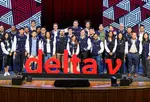
The 2026 MIT delta v Demo Day showcased startup innovations in biotechnology, healthcare, AI, cybersecurity, robotics, finance, and manufacturing.
New faculty members are thinking about how AI can help decision-making, the value of adversarial AI agents, and the skills workers need in the AI era.
Guided by a new social contract, here’s how companies can develop working models that deliver for shareholders, employees, and global communities.
Executives from Google, Target, and Amgen prioritize data, artificial intelligence, and empathy as they shape a future-ready workforce.
Here are the skills and behaviors you need to be an effective manager of digital business, and the four weak spots standing in your way.
From gun safety to voting rights to climate action, CEOs from Levi Strauss and Unilever describe how they decide which social issues to back, and why.
Successful and ethical artificial intelligence programs take into account behind-the-scenes ‘repair work’ and ‘ghost workers.’
Businesses intent on becoming “digital masters” should prioritize both customer experience and employee experience, says MIT Sloan’s George Westerman.