
Future of Work
At MIT Sloan, we’re leading the future of work. Through research and classroom teaching, we explore the technologies, systems, and leadership styles that profoundly affect organizations and workers everywhere. The MIT Sloan Work and Organization Studies Group studies what workers will need to succeed in jobs of the future and what leaders need to know to manage complex organizations and diverse teams; the MIT Institute for Work and Employment Research explores how work can be improved for both workers and organizations; and the MIT Initiative on the Digital Economy examines how people and companies can adapt to new ways of doing business. Courses taught by our faculty and coaching offered by the MIT Leadership Center help students gain the fundamental knowledge of organizational structures and processes and develop the necessary skills to lead the workforce of the future.
Featured Article
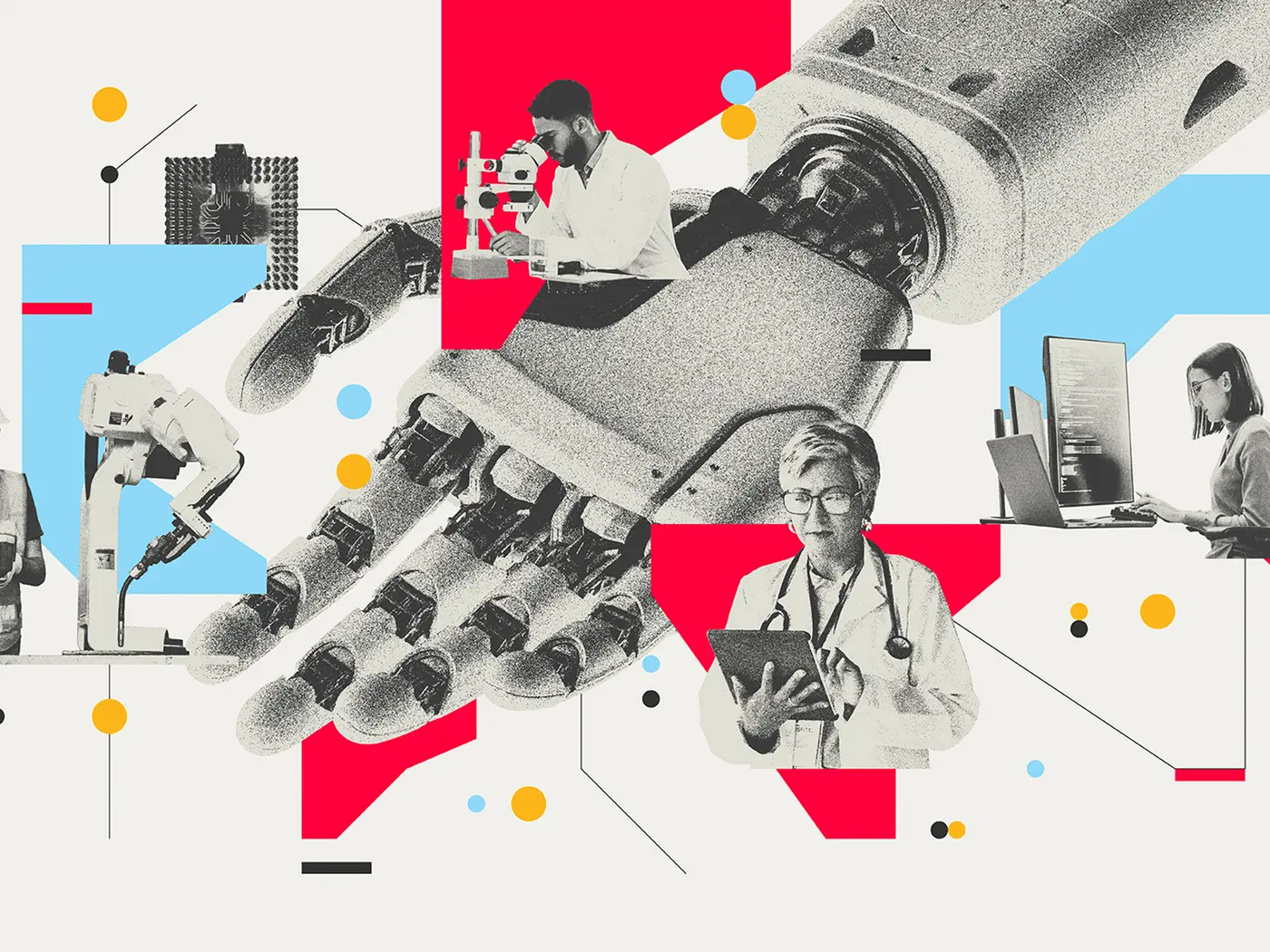
Choose the human path for AI
Why It Matters
To realize the greatest gains from artificial intelligence, we must make the future of work more human, not less.
Learn More
MIT Sloan reflects: 250 years of American business and management
MIT Sloan School of Management faculty members reflect on how innovations and ideas over the past 250 years influence business today.

Companies’ use of ‘disposable workers’ is transforming employment
Freelancers, contractors, part-timers, gig workers, adjuncts, and other contingent workers deserve more respect, MIT Sloan professor emeritus Paul Osterman writes in his book “Disposable Workers.”

Pro-worker AI, explained
Artificial intelligence can make workers more capable and productive, but only if leaders design and deploy it to augment human judgment.

5 things to consider when working with AI
Researchers at the MIT Initiative on the Digital Economy share the latest insights about getting the most from working with AI, such as personality pairing and reorganizing job tasks.

‘AI gravity’ is pulling you toward dependency. Here’s how to push back
AI systems hold the promise of competitive advantage, but they can usher in cognitive decline among workers, says MIT Sloan School of Management’s Eric So. Learn how to protect cognitive capital.

Heeding the pope’s call to ensure AI protects human dignity
Following Pope Leo XIV’s encyclical on AI, MIT Sloan professor emeritus Thomas A. Kochan argues that firms should partner with workers to ensure AI augments human skills and knowledge.
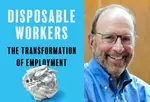
“Disposable Workers” to be Published in August 2026
MIT Sloan Professor Emeritus Paul Osterman’s book Disposable Workers: The Transformation of Employment, is forthcoming from Harvard University Press.

MIT Sloan PhD Students Alice Cai and Peyman Shahidi Named 2026 Rafel Lucea Memorial Award Recipients
Information Technology PhD students Alice Cai and Peyman Shahidi from MIT Sloan have been named 2026 Rafel Lucea Memorial Research Award recipients, with Cai as winner and Shahidi as honorable mention.

How AI is reshaping workflows and redefining jobs
New research shows that AI delivers the most value when organizations redesign workflows, not just when they automate individual tasks.

Putting AI to work: The latest from MIT Sloan Management Review
New MIT Sloan Management Review insights cover types of AI startups, using agentic AI tools for knowledge work, and why AI isn't boosting productivity.