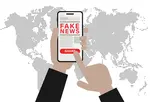
Why do people around the world share fake news?
Since the 2016 U.S. Presidential election and British “Brexit” referendum — and then COVID-19 — opened the floodgates on fake news, research has delved into the psychology behind online misinformation
From insurance premiums to energy bills, a new study from MIT Sloan shows how Americans are already paying the price of climate change, and climate inaction, driven by extreme weather.
How safe is flying during the COVID-19 pandemic? A study shows the risk of getting sick on a flight is higher when all seats are filled.
The videoconferencing company found itself in crisis mode over security issues early in 2020.
Senior Lecturer, Technological Innovation, Entrepreneurship, and Strategic Management
Hiring, retention, and talent development are no longer the sole responsibility of human resources. It’s every manager’s job to develop their people.
Geography and proximity still play a major role in digital innovation. Here is MIT Sloan research on where and how innovation thrives.
August 28-30, 2020, MIT will host 'India: Turning the Tide,' the seventh in a series of MIT-led hackathons designed to create solutions to address critical needs during the COVID-19 crisis.
American voters hold opposing politicians to strict standards of factuality but support their favorite politicians as long as their statements express a “deeper truth” they support.
The Focus program is the first new MIT REAP offering since its Global program launch in 2012, which has driven measurable impact in regions world-wide.